Reviewed · MUSEUMS
Venice Mestre: M9 Museum Permanent Exhibition Entry Ticket
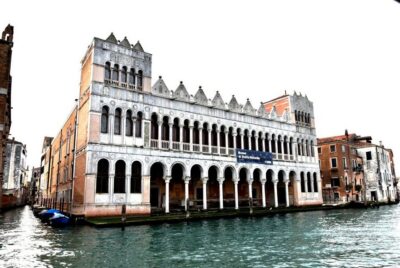
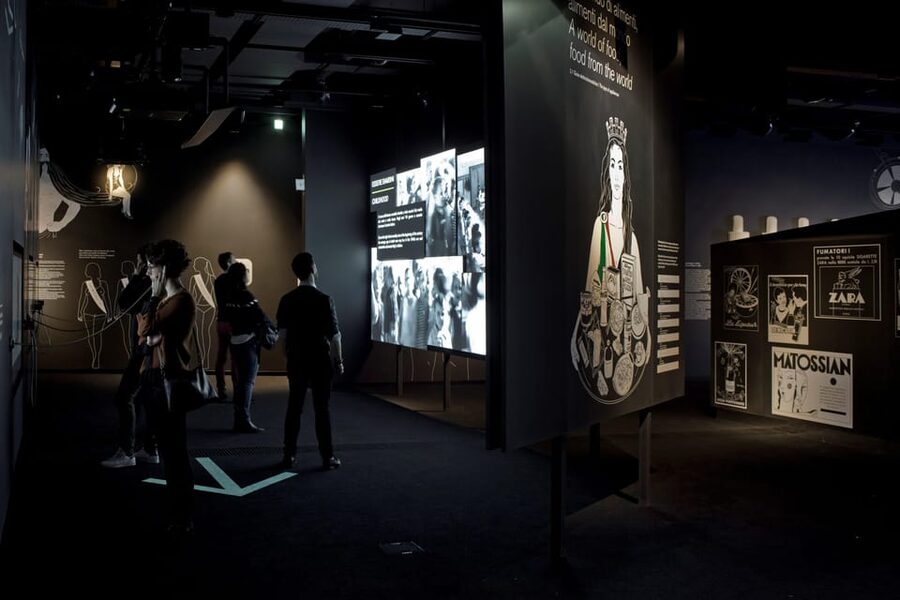
M9 Museum in Venice Mestre is interesting because it treats the 20th century like a working lab, not a quiet hall. Expect interactive exhibits that use audio, video, and images to explain how Italy changed socially, politically, and materially.
I love that this ticket covers the permanent exhibition on the first and second floors, organized into eight theme sections. I also like the way the museum uses innovative technology to turn big historical themes into something you can actually experience, not just read.
One possible drawback: your entry is for the permanent exhibition only. That means the third-floor temporary exhibitions are not included, so you may have to plan those separately if they catch your eye.
Key highlights to look for
- Eight theme sections on floors one and two, so you can navigate the 20th century with structure
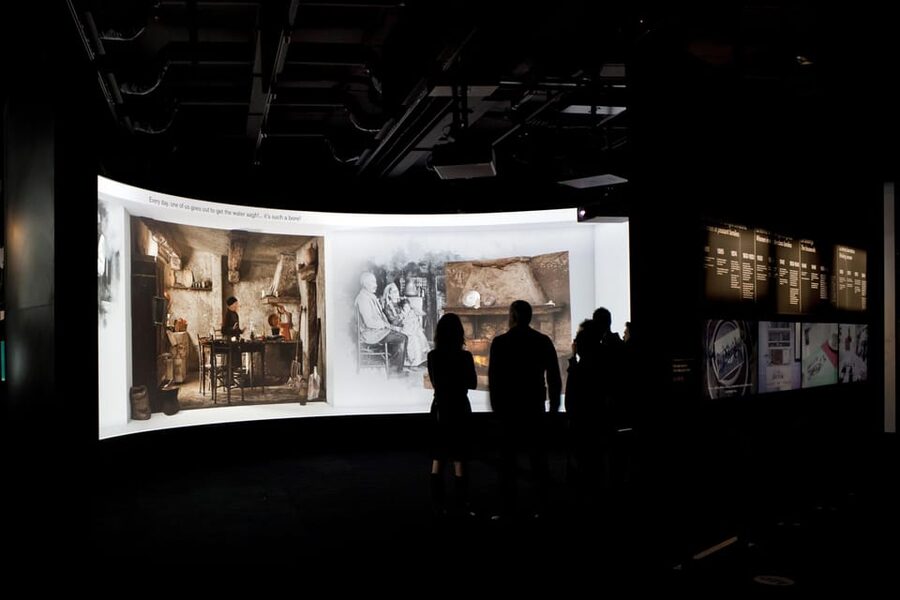
- Audio installations and video that explain social, political, and cultural change through real material
- A museum-as-workshop approach, focused on contemporary life rather than old artifacts behind glass
- Permanent collection plus tech-heavy storytelling, so you are not stuck in a purely static exhibit
- Temporary exhibitions on the third floor, available separately if you want extra stops beyond the permanent show
M9 Museum in Mestre, Italy: A 20th-Century Workshop, Not a Traditional Museum
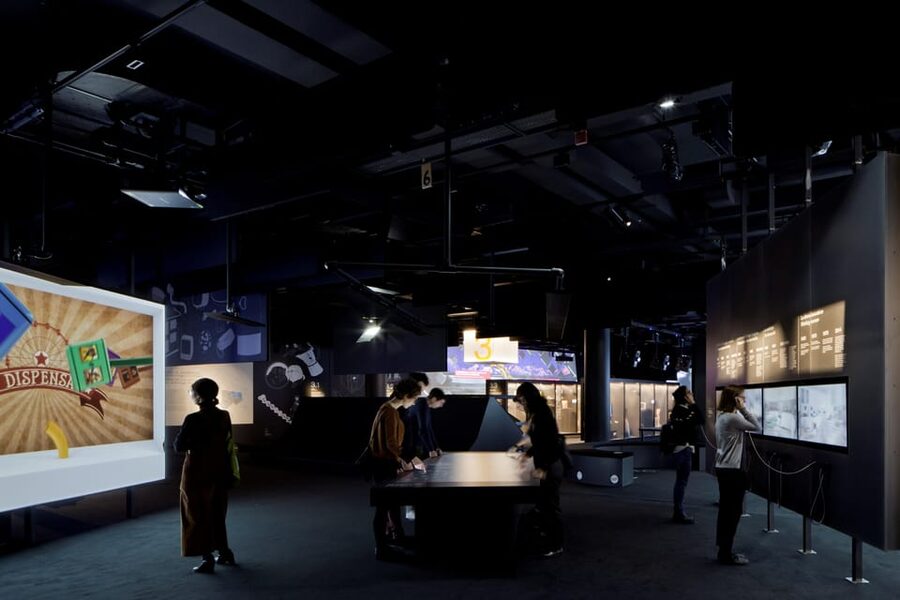
If you usually think of museums as quiet places where you shuffle along, M9 is a different mood. It is described as a permanent workshop of contemporary life, so the goal is to help you connect the past with the present. You are not just looking at objects, you are working through themes that shaped daily life.
What makes it especially appealing is the focus on Italy across the whole last century, from demographic shifts to social and political upheavals. You get the sense that the museum wants you to understand change as a system, with consequences, ambitions, challenges, and even threats and opportunities. That framing makes the visit feel practical, not academic.
And yes, the technology matters here. The museum leans heavily on images, audio installations, and videos, plus interactive elements. So if you like learning through your senses as much as your brain, you will probably have an easier time staying engaged for a full day.
More museums and galleries in Venice:
- Venice: Leonardo Da Vinci Museum Entrance Ticket
★ 4.5 · 3,560 reviews - Venice’s Best: Basilica, Doge’s Palace, Gondola & History Gallery
★ 4.5 · 2,478 reviews - Venice: Vivaldi’s Four Seasons Concert & Music Museum Visit
★ 4.8 · 2,065 reviews
Price and Value: What a $14 Permanent-Exhibition Ticket Gets You
At about $14 per person, this ticket is a strong value if you want a serious chunk of the museum without paying for everything at once. You are buying entry to the permanent exhibition, which is the core of the experience on the first and second floors.
The value logic is simple. The permanent collection is not a small side display. It occupies the main floors and is divided into eight theme sections covering 20th-century Italy through cultural and material legacies. In other words, you are not just paying for a hallway of highlights, you are paying for the museum’s main argument.
Here is the trade-off. Because the ticket does not include temporary exhibitions, your total ceiling depends on what you want beyond the permanent show. If you are the type who likes to see whatever is on that day, you might later add the third-floor temporary exhibitions. If you are happy to focus on one deep route through the permanent collection, this price makes the visit feel very manageable.
Where to Meet and How to Start: The Revolving Door Entrance
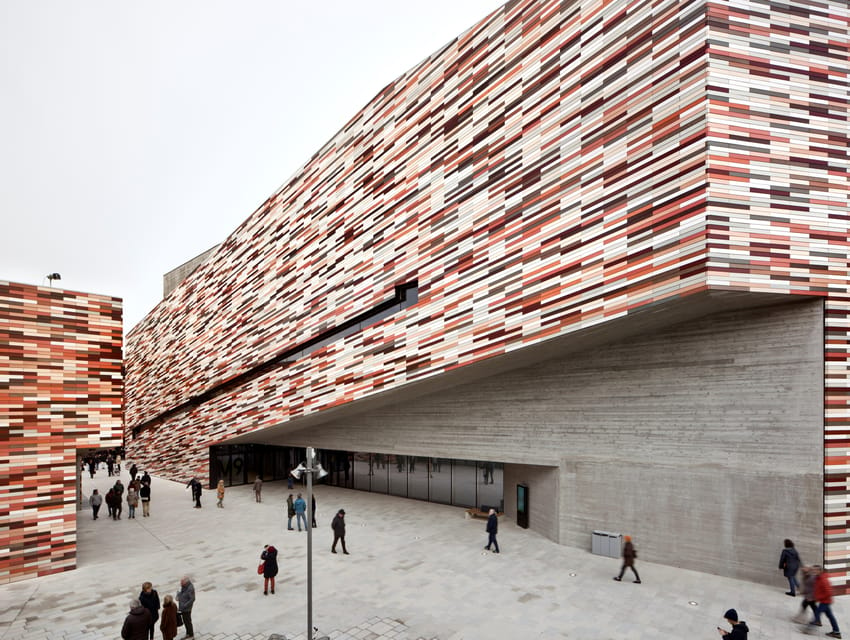
Your meeting point is the revolving door entrance. It is a small detail, but it can save you stress when you arrive and start scanning for where to go next.
Once you are inside, plan to spend your time walking the permanent exhibition floors first. The museum design encourages you to follow theme sections rather than a strict timeline you must master. That is good news, because it means you can choose where to pause longer, where to keep moving, and where to return if something catches your attention.
Also, take note of what the museum does not allow. Backpacks are not allowed, so if you are coming in with a larger bag, plan for an alternative. This matters because it changes how light you want to travel and how fast you can get through your first entry moments.
Floors 1 and 2: The Permanent Collection and Its Eight Theme Sections
The permanent exhibition occupies the first and second floors, and that is where you should aim to spend most of your day. The museum presents 20th-century Italy through a cultural and material lens, meaning you are looking at the legacy of the times, not just events on a timeline.
The collection is divided into eight theme sections. That structure is helpful because it keeps you from getting lost in broad historical coverage. You will be able to approach the century as themes like social life, politics, culture, economic changes, environmental shifts, and landscape changes. The museum’s approach makes these categories feel connected rather than separate boxes.
This is also where the museum’s “workshop” identity shows up most clearly. Instead of treating the exhibition like a one-way lecture, it uses images, audio installations, and videos to encourage interaction. You may find yourself reading a panel, then hearing an audio layer that adds context, then watching a short video that puts the material story into sharper focus.
A few more Venice tours worth comparing
- Venice: Doge’s Palace Reserved Entry Ticket
★ 4.6 · 42,716 reviews - Venice: La Fenice Opera House Entry Ticket with Audio Guide
★ 4.6 · 11,742 reviews - Venice: St. Mark’s Basilica & Doge’s Palace Tour with Ticket
★ 4.7 · 3,375 reviews - Venice: Palazzo Contarini del Bovolo Entrance Ticket
★ 4.3 · 1,991 reviews
What the Museum Teaches: Social, Political, Cultural, and Environmental Change
A big reason people like M9 is that it covers more than one kind of history. You are not limited to political events or famous leaders. The museum highlights demographic and social shifts, economic changes, cultural transformation, and environmental and landscape-related changes tied to the 20th century in Italy.
The way it frames these topics is practical. It shows consequences and also the ambitions behind choices people made during the century. It does not just list challenges, it includes conquests, threats, and opportunities. That broader framing is one of the strengths of the permanent exhibition, because it matches how real life works. People make decisions under pressure, with hopes and risks built in.
You may also notice that the museum leans into material history, meaning you are invited to see how objects, media, and everyday stuff can reveal what people valued and feared. This is where the museum’s innovative experiment style helps. Even without a guided tour, the exhibits are designed to guide your attention and keep the story moving.
From a visitor comfort standpoint, the audio and video layers help when you feel museum fatigue. If you get tired of reading, the museum switches modes. If you get tired of listening, you can reorient with images and interactive elements. That balance can make a full day feel less tiring than some more text-heavy exhibits.
The Tech-Heavy Experience: Audio Installations, Video, and Interactive Storytelling
M9 uses new technologies to narrate its contents and encourage interactivity. That matters more than it sounds. When a museum relies only on wall text, you can either read everything or miss half the experience. Here, the museum gives multiple ways to access the story.
Audio installations are a big part of that. Instead of one voiceover guiding the whole building, the exhibits can pull you toward specific themes as you encounter them. Videos also add pace and help connect sections, especially when the museum moves between social, political, cultural, and economic changes.
Images are still essential here, but they are part of a larger system. The museum uses them extensively, and you will likely find that visuals keep you oriented when you are bouncing between themes. In short, the tech is not just decoration. It is the structure that helps the museum teach without turning into a textbook.
One of the best signals for quality is that an art-focused visitor highlighted the exhibition as the highlight of the day and mentioned seeing works attributed to Renoir and Monet. Even if you are not an art expert, that kind of detail suggests the museum pays attention to how different strands of culture connect in the same story.
Temporary Exhibitions on the Third Floor: What You Can Do, Since They Are Not Included
Your ticket includes the permanent exhibition only. Temporary exhibitions are on the third floor, and they are described as being spread across new museum spaces added from 2021 onward.
So what does that mean for you? If the third-floor temporary exhibits are a must-see for you, you will need to check availability or consider a separate ticket later. If they are not part of your plan, you can still use the third-floor spaces as a way to understand the museum’s broader direction, but you should not count on access as part of your permanent ticket.
Even if you do not add the temporary exhibits, there is still value in knowing the museum updates its spaces. The museum also has a calendar of events for the general public and educational activities for schools, local residents, and the vulnerable. That tells you M9 is not a static attraction. It functions like an active cultural hub, with ongoing programming.
If you enjoy planning your day with options, look at the museum’s event calendar while you are there. It can help you decide if you want to return on another day when a temporary show or event is more aligned with what you like.
A Real-Day Plan: How to Spend Your One-Day Entry Like a Pro
You have one day of validity, so think in terms of a focused route. The permanent exhibition on floors one and two is the anchor. Start there and give yourself enough time to pause. The museum’s themes work best when you do not rush through like it is a checklist.
A good strategy is to choose two theme areas to explore more carefully and let the other sections be more of a scan. Because the collection is divided into eight sections, you can avoid the common museum problem where everything blurs together.
As you move through each theme, listen for the “why” signals, not just the “what happened” points. The museum’s content highlights consequences, ambitions, and challenges. If you focus on those, you will remember more and feel like you gained more than facts.
Also, keep an eye on your energy. Audio and video can make you stop more often, which is good, but it can also slow you down. If you pace yourself, your day will feel rewarding rather than exhausting.
Museum Hours Reality Check: Closed Mondays and Tuesdays
This museum is closed on Mondays and Tuesdays. That is the kind of detail that can wreck a plan if you only realize it at the front steps, so check your dates carefully.
If you are building a schedule in Mestre, aim for Wednesday through Sunday. That gives you the best chance to access your permanent exhibition ticket without interruptions. When your time window is tight, this matters as much as any exhibit detail.
Practical Tips That Matter: Backpacks, Pace, and Wheelchair Access
Here are the practical points that will help your visit go smoothly.
Backpacks are not allowed. If you are traveling with a bigger bag, plan ahead so you do not waste time at the entrance. Even a slight delay can make you feel rushed for the rest of the day.
The museum is wheelchair accessible. If you or someone you are traveling with uses mobility assistance, you should feel comfortable planning around this venue. Accessibility is listed as a feature, so you can plan your day without assuming you will have to skip sections.
For pace, remember that the museum is tech-driven and interactive. That usually means slower going than a traditional museum with one set of visuals per room. Build in pauses, and do not feel you must see every screen in the same way. Let some sections be quick, and give others more time.
Who This Experience Is Best For
This ticket makes the most sense for you if you like history that explains how life actually changes. If you want 20th-century Italy framed through social, cultural, political, economic, and environmental shifts, M9 fits that taste well.
It is also a smart choice if you learn better through audio, images, and video. The museum’s use of new technologies is not optional here. It is part of how the permanent exhibition communicates its themes.
You might not love it as much if you want a classic museum style, where you mainly look at objects behind glass with minimal tech interaction. M9 is explicitly described as not a traditional museum. It behaves more like a contemporary workshop and uses multimedia storytelling to do the heavy lifting.
If you are short on time and only want one museum stop in this area, this permanent ticket is ideal. You get the main collection on the key floors, and you can decide later if temporary exhibits are worth adding.
Should You Book the M9 Permanent Exhibition Ticket?
I would book this ticket if you want one solid day focused on the 20th century in Italy, with a museum layout built to help you process themes through technology. At $14, you are paying for the permanent exhibition on floors one and two, divided into eight theme sections, which is a clear value proposition.
Skip it or rethink it only if you are primarily interested in temporary exhibitions, since those are not included with this ticket. Also, keep your schedule in mind because the museum is closed Mondays and Tuesdays.
If your goal is to walk out feeling you understood how Italy shifted over the last century, with social and material context rather than just names and dates, this is a good match.
FAQ
What is included in the ticket for this experience?
The ticket includes entry to the permanent exhibition.
Are temporary exhibitions included with this entry ticket?
No. Temporary exhibitions are not included.
Where is the permanent exhibition located in the building?
The permanent collection is on the first and second floors.
How long is the experience valid for?
The ticket is valid for 1 day.
Where is the meeting point?
Look for the revolving door entrance.
Is the museum wheelchair accessible?
Yes, the museum is listed as wheelchair accessible.
Are backpacks allowed inside?
No, backpacks are not allowed.
What days is the museum closed?
The museum is closed on Mondays and Tuesdays.
Is a guided tour included?
No. A guided tour is not included.
What if I need to change plans?
You can cancel up to 24 hours in advance for a full refund. You can also reserve now and pay later.
Recently reviewed around Venice
- Yummy Cooking Class In Venice★ 4.9 · 122 reviews
- VIRTUAL MUSEUM: Creature di Gomma – Venice Vintage Toys★ 4.7 · 3 reviews
- Venice: City Tour & Skip the Line for St. Mark’s Basilica★ 4.1 · 84 reviews
- Your evening in Venice – Legends&Ghosts&Aperitif★ 4.7 · 79 reviews
- Venice: Watercolor Painting Class at the Prisons Palace★ 4.7 · 27 reviews
- Walking Tour to Uncover the Hidden Venice★ 4.4 · 34 reviews
- Wine Tasting in Venice★ 4.6 · 42 reviews
- Venice Walking Tour from St. Mark’s to Rialto Bridge★ 4.5 · 12 reviews
Museums, compared.
Venice’s Best: Basilica, Doge’s Palace, Gondola & History Gallery
Read our review →
Vivaldi’s Four Seasons Concert & Music Museum Visit
Read our review →
Charming Gondola Ride on the Grand Canal & Gondola Gallery™
Read our review →
Bell Tower & St Mark’s Square History Gallery Ticket
Read our review →
Venice Museum Pass & Doge’s Palace Entrance Ticket
Read our review →
Basilica, Doge’s Palace, History Gallery & Bell Tower Option
Read our review →