
Reviewed · CLASSICAL CONCERTS & OPERA
Venice: Vivaldi’s Four Seasons Concert & Music Museum Visit
This Venice experience is interesting because it turns Vivaldi into something physical first, then musical in a real church setting. You start at the Museo della Musica di Venezia (an open-air feeling, even indoors), then head to the Chiesa di San Vidal area for Vivaldi’s Four Seasons played live.
I love the pairing of the museum plus the concert. It makes the music feel less like a playlist and more like craft, from how instruments are built to why they still sound so clear centuries later.
One thing to consider: seating is not assigned. Bring patience for the chairs, and if you want a prime view, you’ll need to show up early.
Key points to know before you go
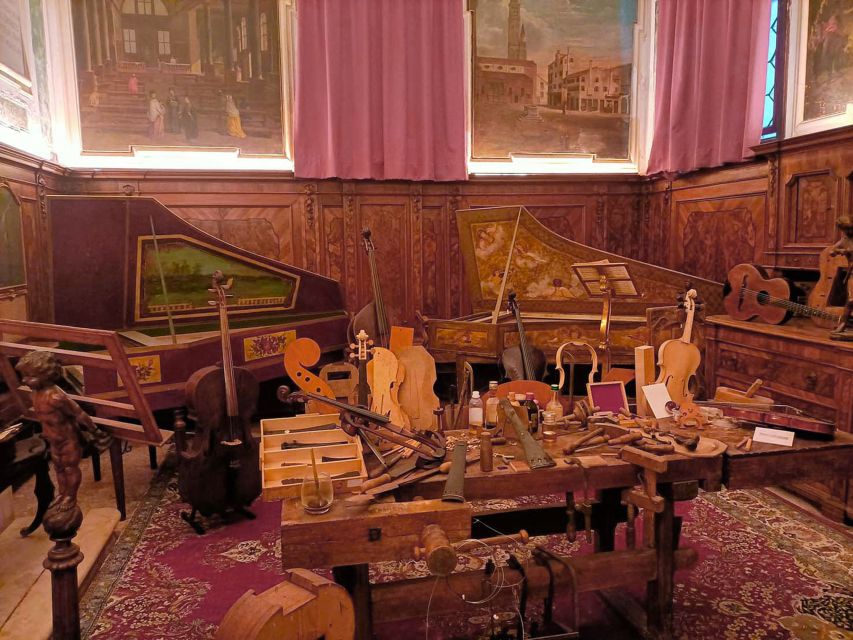
- 200 original instruments (1600 to 1900), with a strong focus on makers from Cremona and Venice
- Hands-on feeling without touching, plus explanations that help you understand how a violin can last for centuries
- Vivaldi’s Four Seasons live in Venice, including other pieces in the same program
- Interpreti Veneziani, a Venice baroque orchestra formed around 35 years ago, with a native Venetian sound
- No photos or recording inside, so you can actually listen instead of performing your visit
- Arrive early for the best spots, since there are no assigned seats and some chairs can be uncomfortable
San Vidal after the museum: why this Vivaldi concert feels special in Venice
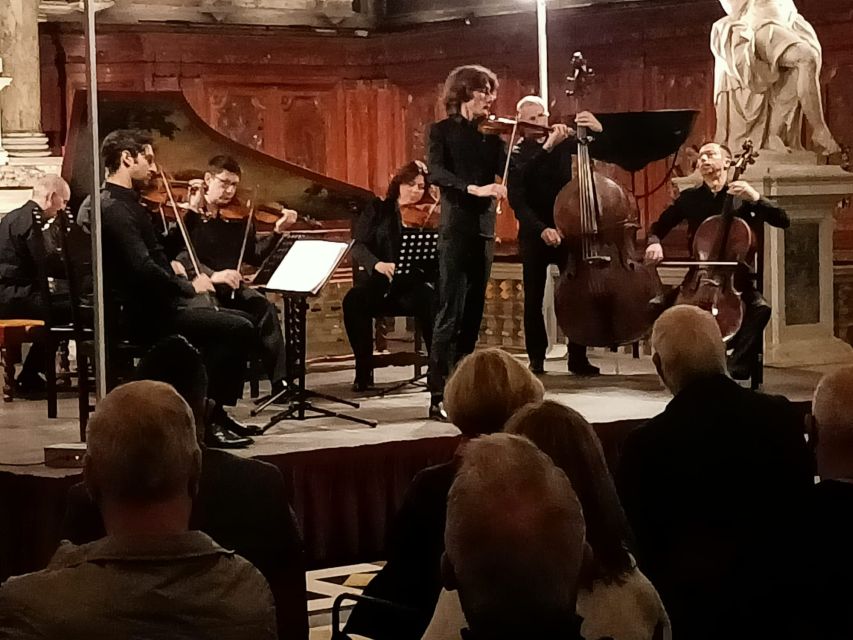
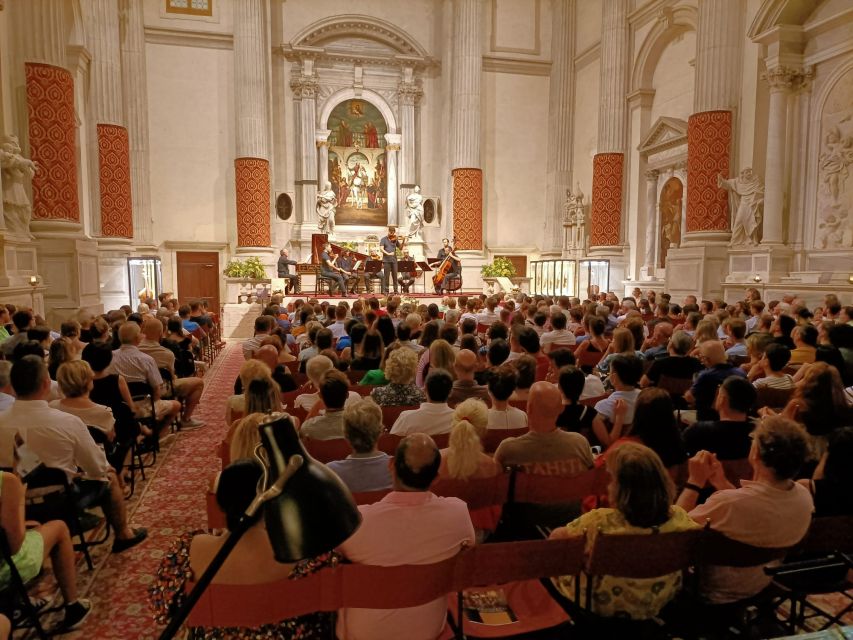
The setting here matters more than you might expect. San Vidal is a church space where strings carry and the room shapes the music as it happens. When you hear Vivaldi’s Four Seasons in that kind of acoustics, the famous melodies feel sharper, and the baroque details land with more clarity than you get in a regular hall.
The location is also convenient for a Venice evening. The San Vidal area sits between the Accademia Galleries and St. Mark’s square, about 10 minutes from Rialto Bridge. If you’re doing a first-time Venice route, this is a nice link between the big sights and a quieter, more art-focused moment.
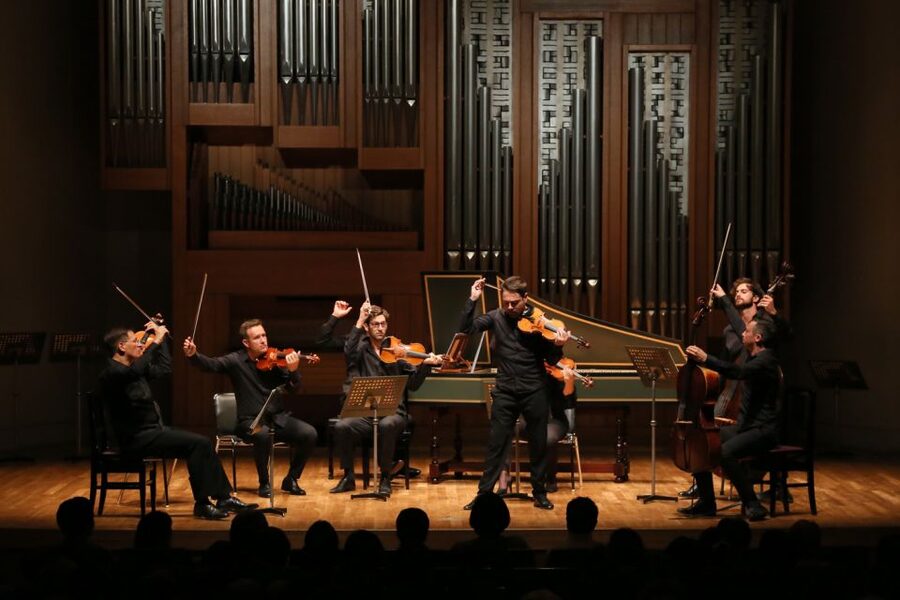
The other big ingredient is the performers. This is played by Interpreti Veneziani, a baroque orchestra of Venice. The whole point is that you’re hearing Vivaldi through a Venetian lens, not a generic idea of what Venice should sound like.
More classical concerts and opera in Venice:
- Venice: La Fenice Opera House Entry Ticket with Audio Guide
★ 4.6 · 11,742 reviews - Venice: Interpreti Veneziani Concert at Church of San Vidal
★ 4.8 · 3,256 reviews - Venice: Vivaldi’s Four Seasons Live Classical Music Concert
★ 4.6 · 2,524 reviews
Museo della Musica di Venezia first: 200 instruments and the craft behind the sound
Your ticket makes the day smarter: you can visit the music museum for free on the same date, either before or after the concert. That matters because it turns the concert from an event into a story you understand while you’re standing there.
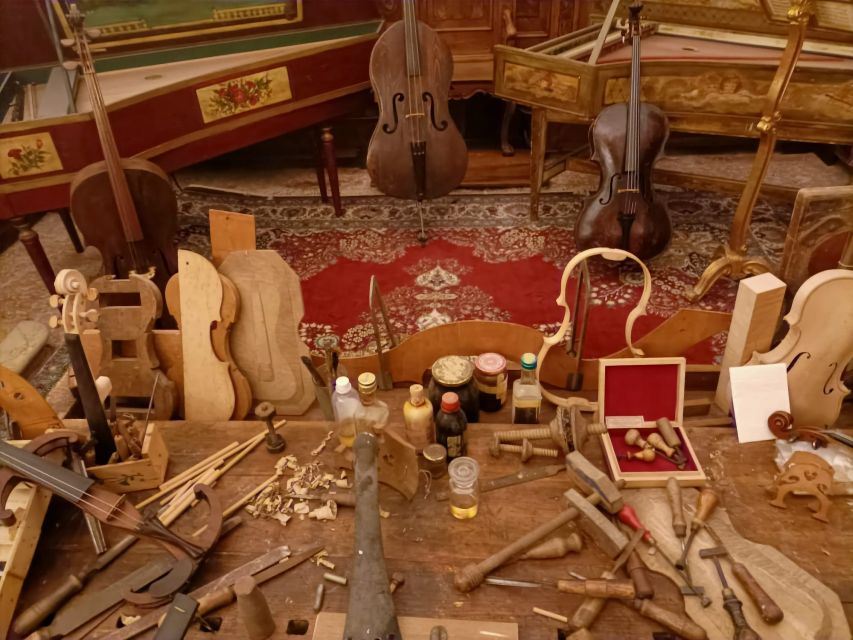
The Museo della Musica di Venezia collection includes about 200 original musical instruments made from the 1600s through the 1800s (1600 to 1900, as listed). You’ll see instruments linked to major violin-making traditions, including the Stradivari School of Cremona, with names like Bergonzi and Amati double basses.
You’ll also run into Venetian connections that make Vivaldi feel even more local. The museum includes instruments associated with Matteo Goffriller, a violin maker tied to the world of Antonio Vivaldi, the Red Priest. Seeing those instruments in front of you helps you connect the music to place and makers, not just composers.
What I find most valuable is the way the museum frames the idea that violins can still sing after centuries. The experience explicitly teaches how a violin is created and why it can play for generations. Even if you have zero technical interest, you’ll leave with a better sense of why the instrument matters.
Practical timing tip: plan to arrive with enough daylight to enjoy the museum without rushing. Then transition calmly to the church area. In Venice, rushing inside half the buildings you walk through is a great way to ruin your own mood.
The live show with Interpreti Veneziani: what you’ll hear in Vivaldi’s Four Seasons
The concert centers on Vivaldi’s Four Seasons, with additional pieces in the same program. You’re not just listening from the side of Venice’s history, you’re hearing it performed live with the kind of baroque approach that makes the strings sound both detailed and expressive.
Interpreti Veneziani bring that baroque sound style, and the orchestra setup is designed to make the music feel immediate. One recent performance note specifically calls out soloist Nicola Granillo, with especially memorable interpretation of the first movement of Autumn. That’s a good sign for what to listen for: the solos are meant to sound like character, not just notes.
You should also know that the program can include a slightly uneven emotional arc for some people. One performance note flagged the second half as a bit of a letdown, and another mentioned that reversing the order might help. Translation: if you love momentum, pay attention early, and expect the experience to find its strongest gear during the big movements of the Four Seasons.
This is also one of those concerts where behavior matters. Inside, you’ll want to follow the rules closely: no flash photography, no audio recording, and keep noise to a minimum. Staff do police it, which is good for everyone. It also helps you get the full effect, because you’ll actually hear the music instead of competing with phones and chatter.
Churches before or after: San Vidal’s art and the San Maurizio connection
Venice does art like it’s everywhere, and this experience uses that fact. The setup points you toward the churches of San Vidal, and also references San Maurizio. You’ll also want to notice the church context around Piazzetta and the Carpaccio connection at San Vidal.
Here’s the useful way to think about it. Vivaldi’s Four Seasons is famous music, but it was born in a world where sacred spaces shaped performance and audience mood. When you look at the church art right near your concert, the music’s emotional tone makes more sense. It stops being just a concert poster and starts feeling like part of Venice’s long visual and musical conversation.
If you can spare a few minutes before you sit down, do a quick look around the church area. Not a long museum sprint, just a fast orientation so the space feels familiar when the musicians start. That alone can make the concert feel more personal.
Same city, a very different kind of day on the water:
- Venice: Doge’s Palace Reserved Entry Ticket
★ 4.6 · 42,716 reviews - Venice: Grand Canal Gondola Ride with App Commentary
★ 4.1 · 18,908 reviews - Boat Trip: Glimpse of Murano, Torcello & Burano Islands
★ 4.3 · 15,699 reviews - Venice: Grand Canal by Gondola with Live Commentary
★ 4.1 · 13,681 reviews
Seats, timing, and comfort: how to plan your evening without stress
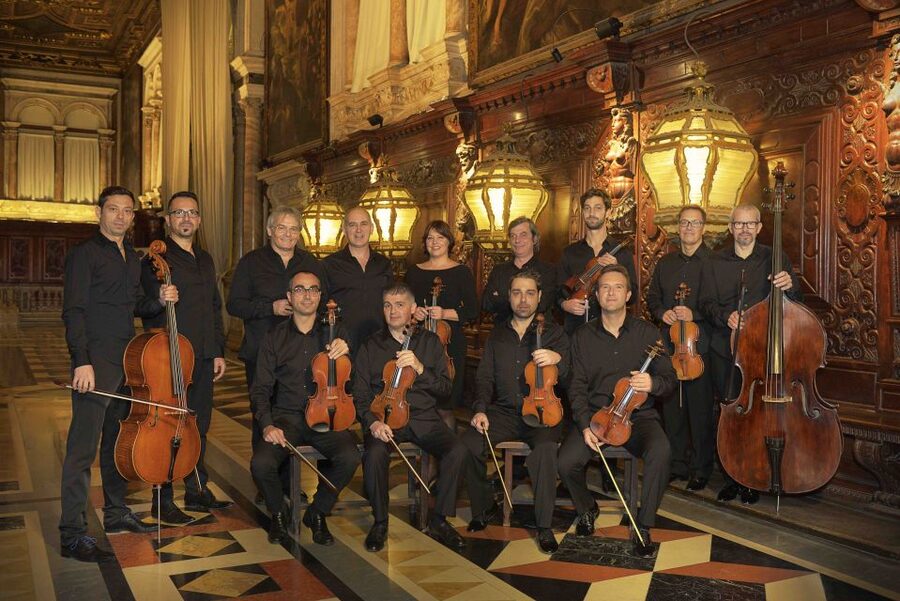
This is the part that can make or break your experience, so treat it seriously.
There are no assigned seats. That means you need to choose your strategy. If you want a strong view, come early. A 30 to 45 minute early arrival shows up repeatedly in practical notes from recent attendees. People who arrived early had the best chance of sitting near the stage.
What you’re aiming for is more than view. It’s also sound placement. In a church, where you sit affects how direct the strings feel. Front and center usually gives you a more immediate blend.
Now the caution: chairs can be uncomfortable, and some chairs can create noise. One note even mentioned noisy seats. Also, one practical point is that the church can be warm and may have limited cooling, since at least one attendee remarked there was no AC and the room runs warm.
So do this:
- arrive early and settle in
- bring a light layer in cooler months
- expect an evening where you focus more and move less
Also note what you are not allowed to bring or do. No large luggage, no food or drinks, no pets (assistance dogs allowed), and no smoking. No touching exhibits is stated for the museum portion too. If you travel with a big daypack, consider traveling lighter than you usually would in Venice.
And one more practical one: there’s no photography inside during the concert, and flash photography is not allowed. It’s policed, which is actually a gift. You get to enjoy the music instead of trying to record it with a phone held over your head.
Price and value: does $46 include enough to feel worth it?
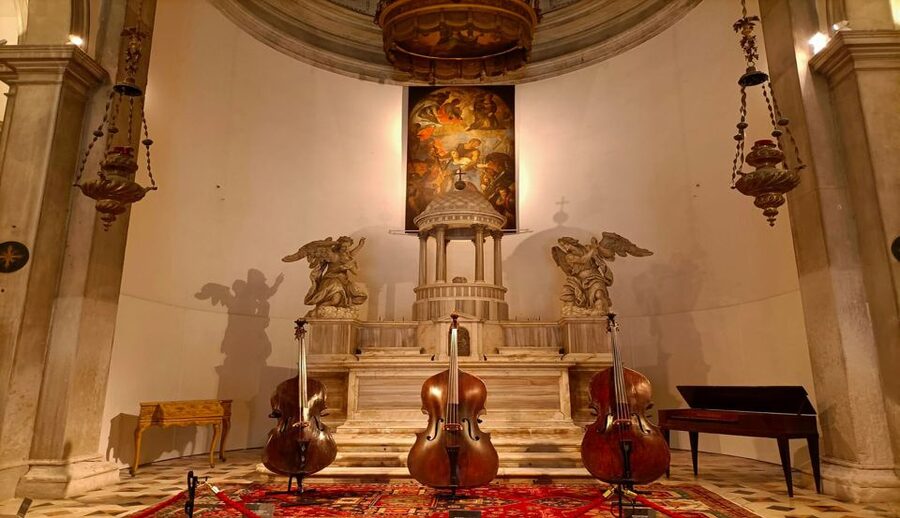
At about $46 per person, the price is not just for a concert ticket. It’s a package day. Your admission includes staff assistance, and crucially, it includes free access to the Museo della Musica di Venezia on the same date.
That value logic is simple: you’re paying for one live cultural event plus the chance to understand the instruments behind it. If you only went to the concert, you’d still be getting a great Venice evening. But adding the museum visit makes your listening more informed, and that usually means the experience sticks longer.
There are also hints that pricing can vary depending on how you buy. One attendee noted that online pricing was higher than a walk-up church price they saw on site. I cannot promise you’ll always find that same difference, but the takeaway for you is smart: if you’re price-sensitive, it’s worth checking whether walk-up prices are lower when you’re already near the venue. If you hate uncertainty, book ahead.
Finally, the big value point is the performer quality. Interpreti Veneziani is the kind of ensemble that can make Vivaldi feel like it still belongs in its original world. Even if you’re not a hardcore classical fan, the music is accessible, rhythmic, and strong on melody.
Who should book this Vivaldi museum and concert day
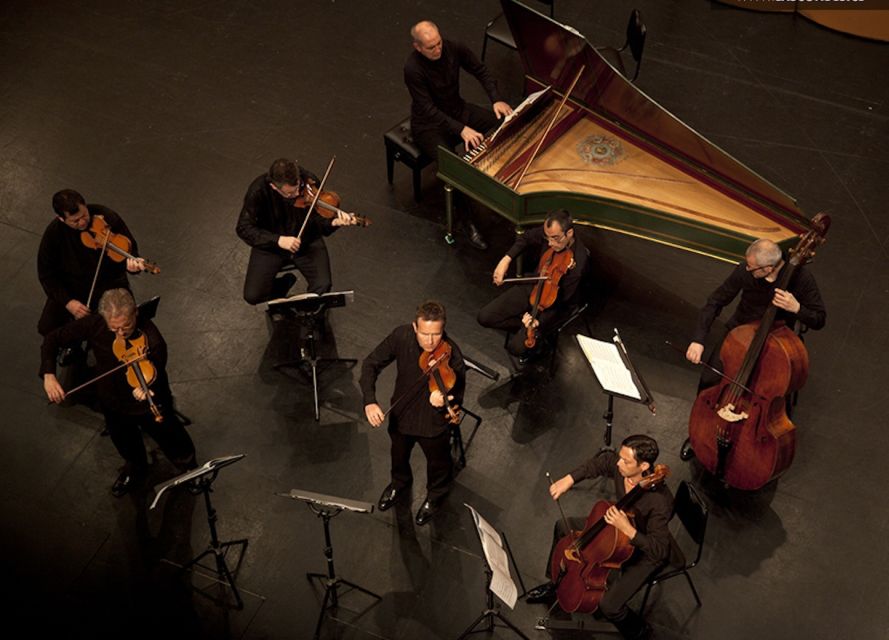
This works especially well if you like one of these styles of travel:
- You want a cultural night that feels real, not staged
- You like connecting music to craftsmanship, not just names on a program
- You want a classic Venice evening with a clear start point and a clear payoff
It also can work for people who do not think they like classical music. Multiple notes mention bringing family and even teenagers, with strong enjoyment. So if you’re choosing between a standard canal walk and something with structure, this is a strong pick.
The main people who might hesitate are those who:
- need assigned seating
- strongly prefer to record audio or take photos during performances
- plan to eat and snack during the activity (food and drinks are not allowed)
If you’re flexible and you arrive early, you’ll likely feel like you got a lot for your time and money.
Should you book this Venice Music Museum and Vivaldi day?
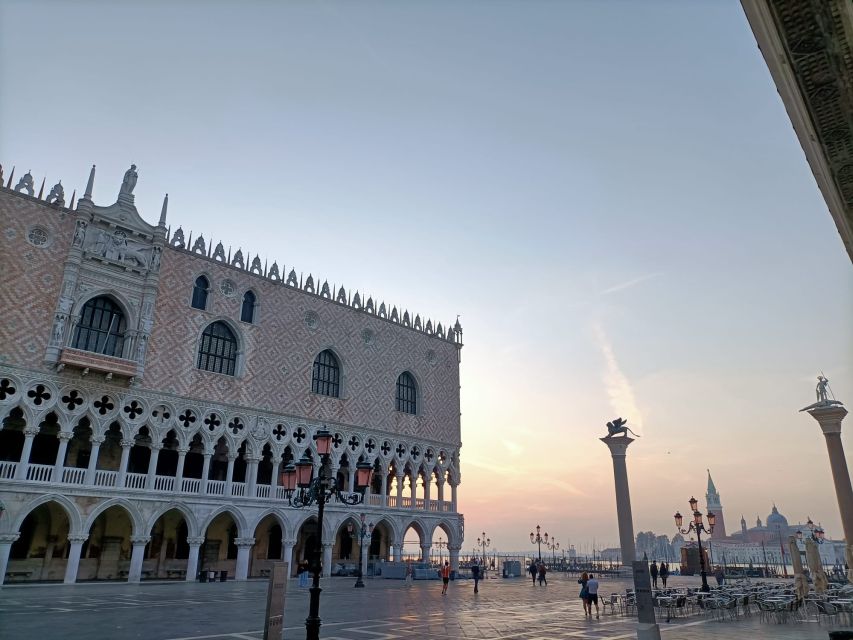
If your goal is one standout Venice evening with a story, yes, I’d book it. The combination is the reason: you get instruments from the 1600 to 1900 world, then you hear Vivaldi’s Four Seasons in Venice church acoustics with Interpreti Veneziani.
Book it if you can handle a couple of practical realities:
- show up early for seating
- keep your phone away during the concert
- travel light since large bags and food are not allowed
Skip it if you want a passive, casual stop where you can wander freely, snack, and take photos. This experience is built for listening and attention, and it rewards that mindset.
FAQ
Where is the concert held?
The concert takes place at San Vidal Church (Chiesa di San Vidal). The San Maurizio Church is also listed in the activity meeting details.
Is the Music Museum visit included with the concert ticket?
Yes. With the same ticket, you can visit the Museo della Musica di Venezia for free on the concert date, either before or after the concert.
What time is the Music Museum open?
The Music Museum is open every day from 10 AM to 1 PM and 2 PM to 7 PM.
How long is the experience?
The experience is listed as lasting 1 day.
How much does it cost?
The price is listed as $46 per person.
What language is the host or greeter?
The host or greeter is listed as English.
Is photography and recording allowed during the concert?
No. Photography inside is not allowed, and audio recording is also not allowed.
Is the venue wheelchair accessible?
Yes. The activity is listed as wheelchair accessible.
What items are not allowed inside?
Smoking, food and drinks, large luggage or bags, pets (assistance dogs allowed), flash photography, and touching exhibits are not allowed. Making noise and party groups are also not allowed.
More Museums and Galleries in Venice
- Venice: Leonardo Da Vinci Museum Entrance Ticket
★ 4.5 · 3,560 reviews - Venice’s Best: Basilica, Doge’s Palace, Gondola & History Gallery
★ 4.5 · 2,478 reviews - Charming Gondola Ride on the Grand Canal & Gondola Gallery™
★ 4.0 · 1,313 reviews - Venice: Bell Tower & St Mark’s Square History Gallery Ticket
★ 4.3 · 910 reviews
Recently reviewed around Venice
- Skip the Line St. Mark’s Basilica Tour★ 3.5 · 5 reviews
- Shared Departure Transfer: Venice Hotels to Venice Train or Bus Station★ 3.5 · 73 reviews
- One-Day Venice: Skip-the-Line St. Mark’s Basilica, Walk & Gondola★ 4.0 · 20 reviews
- Another Side of the City: Discovering Authentic Venice★ 5.0 · 57 reviews
- Self Guided Tours Venice With 100 Captivating Audio Stories★ 5.0 · 3 reviews
- Secret Venice, an unusual walk – Private Walking Tour★ 5.0 · 61 reviews
- The Secret Venice + Cicheti & Wine Private Tour★ 5.0 · 21 reviews
- Venice Walking Tour with Audioguide on Your Smartphone★ 4.0 · 19 reviews
Classical Concerts & Opera, compared.
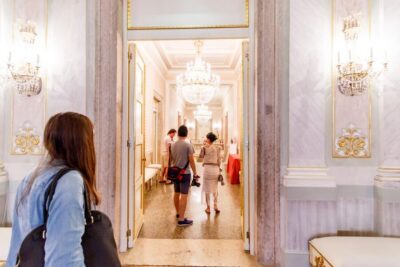
La Fenice Opera House Entry Ticket with Audio Guide
Read our review →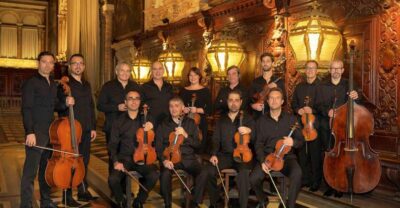
Interpreti Veneziani Concert at Church of San Vidal
Read our review →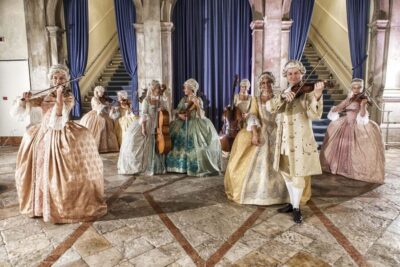
Vivaldi’s Four Seasons Live Classical Music Concert
Read our review →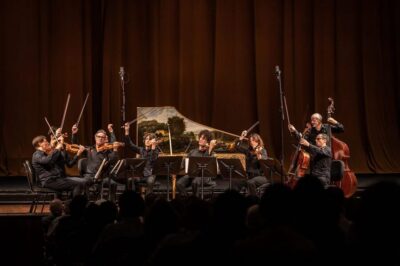
Vivaldi Four Seasons Concert at Vivaldi Church
Read our review →
I Musici Veneziani Concert: Vivaldi Four Seasons
Read our review →
Musica a Palazzo ‘Traveling Opera’ Performance in Venice
Read our review →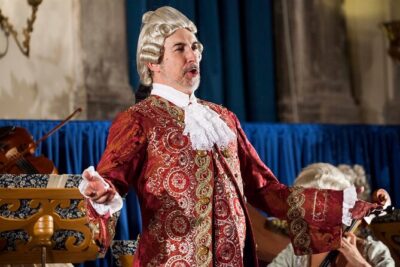
I Musici Veneziani Vivaldi’s Four Seasons and Tenor arias
Read our review →Browse the lists this tour appears in