
Reviewed · CLASSICAL CONCERTS & OPERA
The Majestic Teatro La Fenice: Guided Tour in Venice
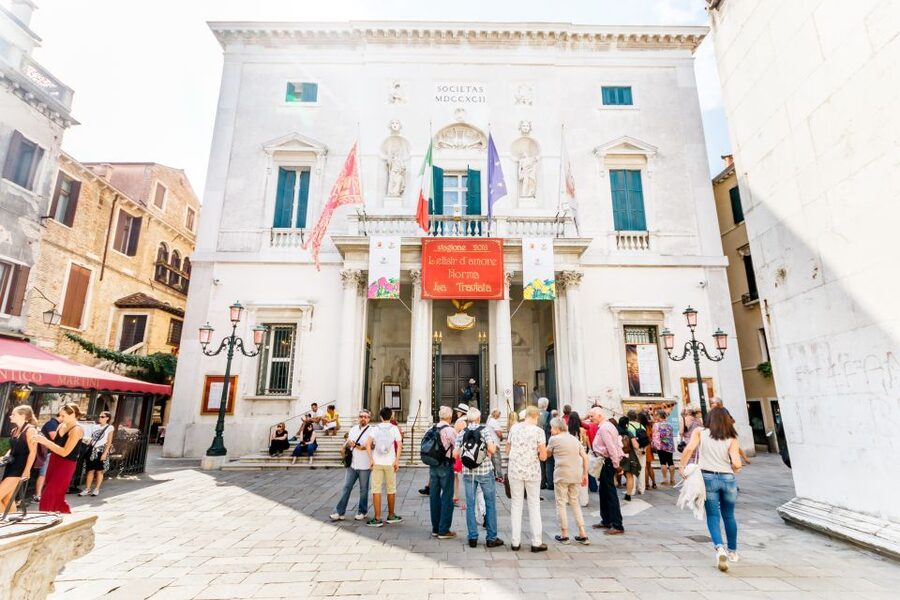
Venice has a lot of pretty buildings. La Fenice has a bigger trick. A guided look inside the Teatro La Fenice turns the opera house into a living story, with an English live guide like Nicole or Sara walking you through what makes the place tick.
What I like most is how the tour mixes show business with real details. I love the chance to get up close to the royal box area and hear how major works shaped the theatre’s reputation. I also appreciate the time link from late 1700s premieres to modern commissions, so you see La Fenice as both past and present. One thing to consider: the tour is not suitable for wheelchair users, and it runs for just about one hour, so come with a few questions ready.
Key highlights you should know before you go
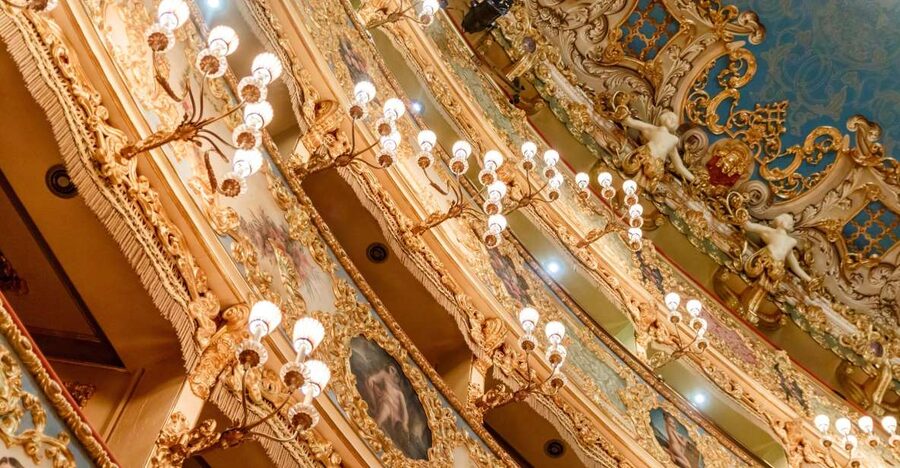
- A 1-hour guided visit inside La Fenice, with a live English-speaking guide
- Royal box access, plus time to take in rooms that feel extra theatrical
- Opera history, from Rossini and Bellini to Stravinski and Britten
- Excellent acoustics and big-scale performances in a theatre built for sound
- You can often stay after the tour, with access to parts of the theatre experience
Why La Fenice is more than a pretty façade
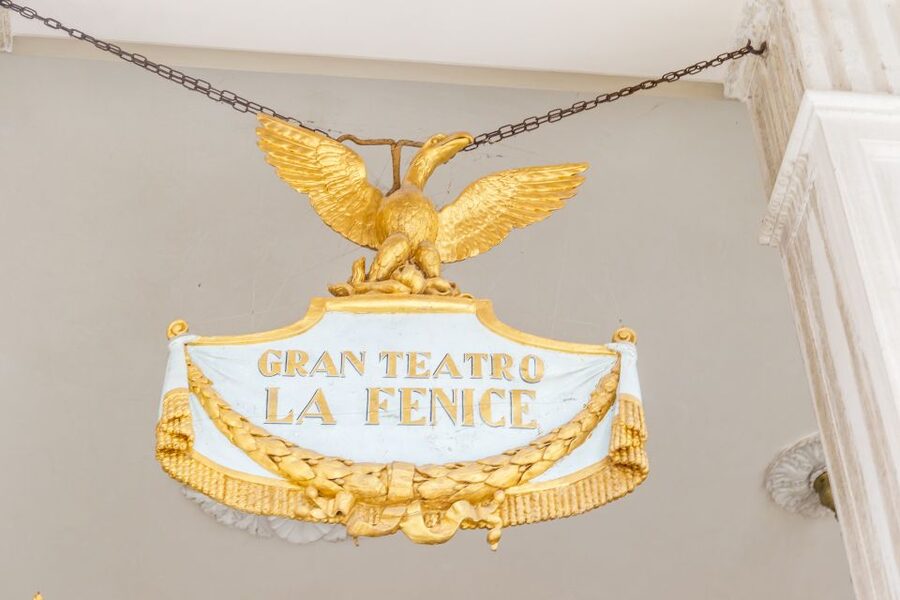
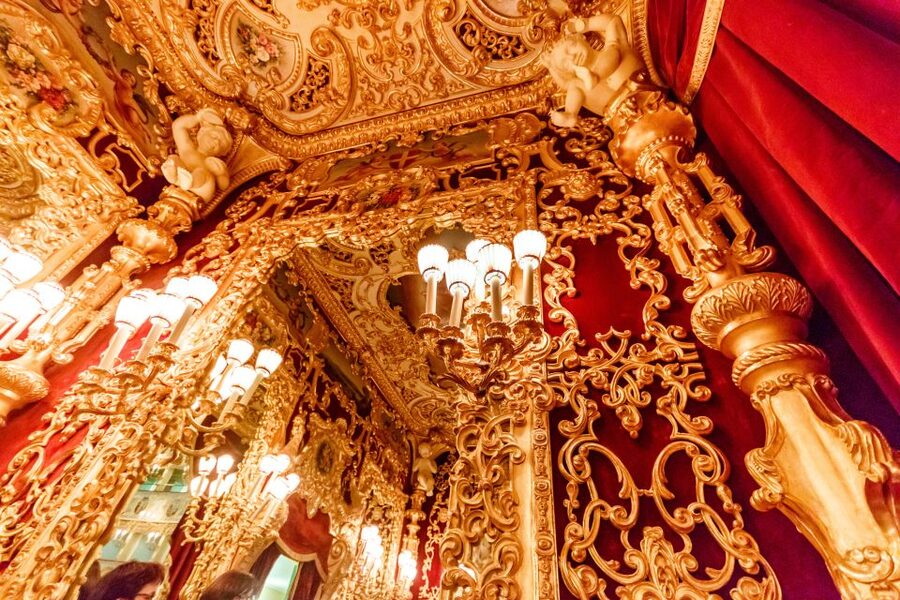
Even if you are not an opera superfan, La Fenice works on you fast. This is one of those Venice sights where the building feels like it is already mid-performance. You notice the opulence right away, but the tour gives you the context behind it, which makes the whole place feel intentional, not just decorative.
La Fenice also has a practical appeal. If you plan to attend an opera later (or you just want to feel prepared), this guided visit helps you understand what you are seeing. You learn how the theatre functions, why certain spaces matter, and how the audience experience is designed. That can make an evening show feel sharper, less mysterious.
And yes, the artists mattered. The guide connects La Fenice’s famous name to specific composers and works, from Rossini and Bellini through to later 20th-century milestones. That makes the theatre feel less like a museum and more like a continuing cultural engine.
More classical concerts and opera in Venice:
- Venice: La Fenice Opera House Entry Ticket with Audio Guide
★ 4.6 · 11,742 reviews - Venice: Interpreti Veneziani Concert at Church of San Vidal
★ 4.8 · 3,256 reviews - Venice: Vivaldi’s Four Seasons Live Classical Music Concert
★ 4.6 · 2,524 reviews
Meeting at the Fenice entrance, then stepping inside for the real story
The tour starts in front of the Fenice theatre entrance. A hostess meets you there, and the explanation happens after you are inside, not during the walk to the door. That sounds small, but it is actually helpful. You avoid losing minutes to slow regrouping outside and you get into the main rooms while they still feel fresh and dramatic.
The tour ends back at the meeting point. So you can plan your next stop nearby without guessing where the group will disperse.
A detail I appreciate from the on-site experience: the guides tend to set a clear pace and stick to a tight time window. In this case, tight is good. You get a lot of theatre meaning without spending your whole morning trapped in a long lecture.
Inside the theatre: what the guide actually shows you
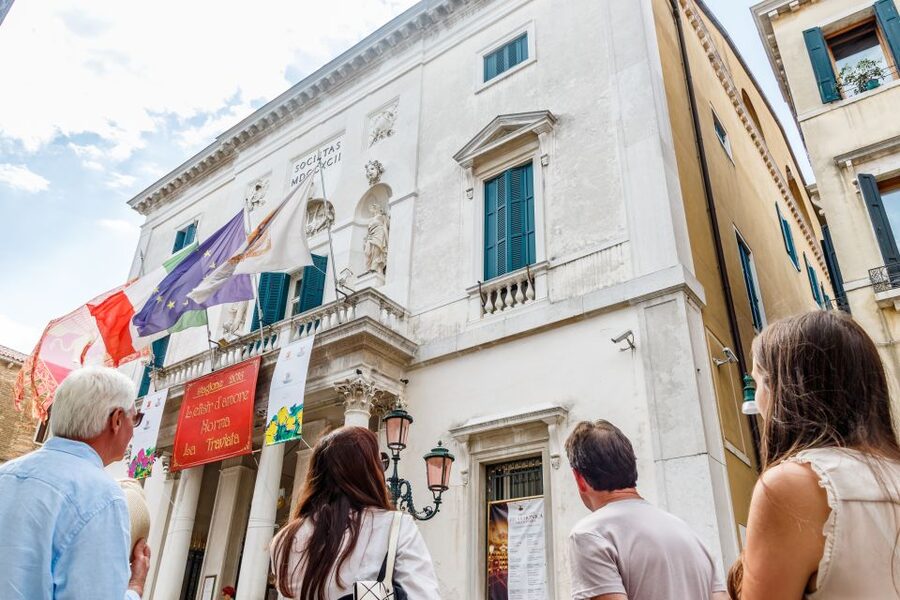
This is a guided visit inside the theatre, lasting about one hour. The focus is not just walking past pretty walls. The guide explains how La Fenice became the place to be for major opera premieres and how its layout supports both spectacle and performance.
You start by taking in the opulent spaces that most people only ever see from the street or in photos. Then the guide steers your attention to the parts of the experience that matter when opera is actually happening. Think sightlines, audience flow, and the way the rooms are meant to hold attention.
One of the most praised moments is the up-close access to the Royal box area. That is the kind of spot that makes you understand why opera audiences once treated performances like social theatre as much as musical theatre. Even if you never sit in the box yourself, seeing it from the right angle helps you picture who would have been there, when, and why.
If the tour timing lines up, you may also catch special elements inside the theatre setting, including an exhibition connected to Maria Callas mentioned in guide experiences. Some tours include practical extras too, like audio support that helps you follow along while you look up and around.
The La Fenice timeline: from Rossini and Bellini to modern premieres
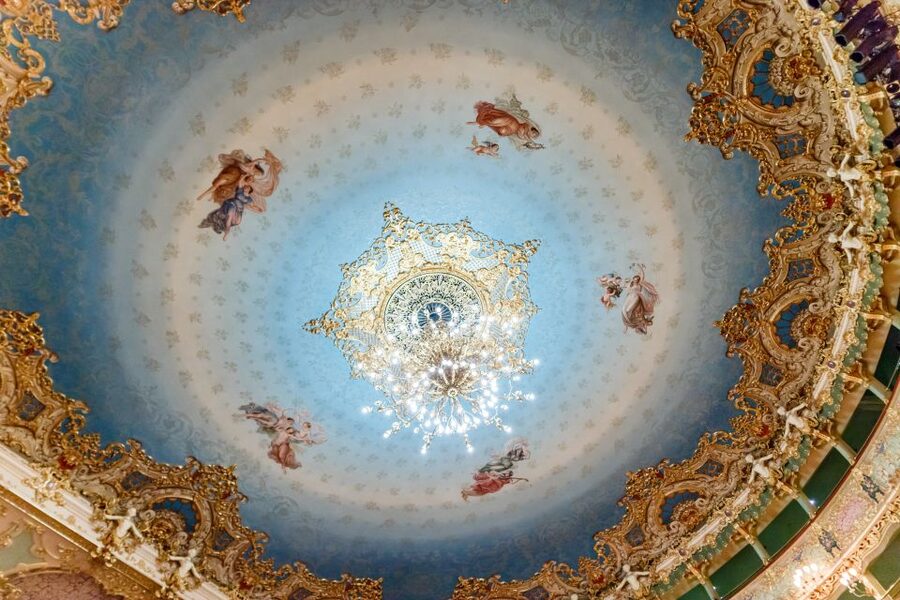
What really makes this tour worth your time is the way it stitches history to the present. The theatre opened toward the end of the 18th century and quickly became a go-to stage for major, high-drama opera premieres. The guide highlights specific works tied to the theatre’s early reputation, including Rossini’s Tancredi, Sigismondo, and Semiramide, along with Bellini’s The Capulets and the Montagues and Beatrice di Tenda.
That matters because it changes how you interpret the building. You stop treating it like a snapshot in time and start seeing it as a stage built for big musical events. If you are the kind of traveler who likes to connect what you see to what was made there, this part delivers.
Then the tour shifts forward. La Fenice’s current direction includes emphasis on contemporary productions and major modern works. The guide discusses world premieres tied to Stravinski’s The Rake’s Progress and Britten’s The Turn of the Screw. Even if you are not familiar with the operas, this modern angle helps you understand why La Fenice is still relevant, not just famous.
In my view, this past-to-present structure is the difference between a sightseeing tour and a “now I get it” tour.
A few more Venice tours worth comparing
- Murano & Burano Islands Guided Small-Group Tour by Private Boat
★ 4.5 · 7,580 reviews - Venice Islands: Murano Glass & Burano Colors Guided Visit
★ 4.5 · 4,581 reviews - From Venice: Murano & Burano Guided Tour by Private Boat
★ 4.7 · 4,170 reviews - Venice: Street Food Tour with a Local Guide and Tastings
★ 4.8 · 2,613 reviews
Acoustics, scale, and why the theatre feels big even up close
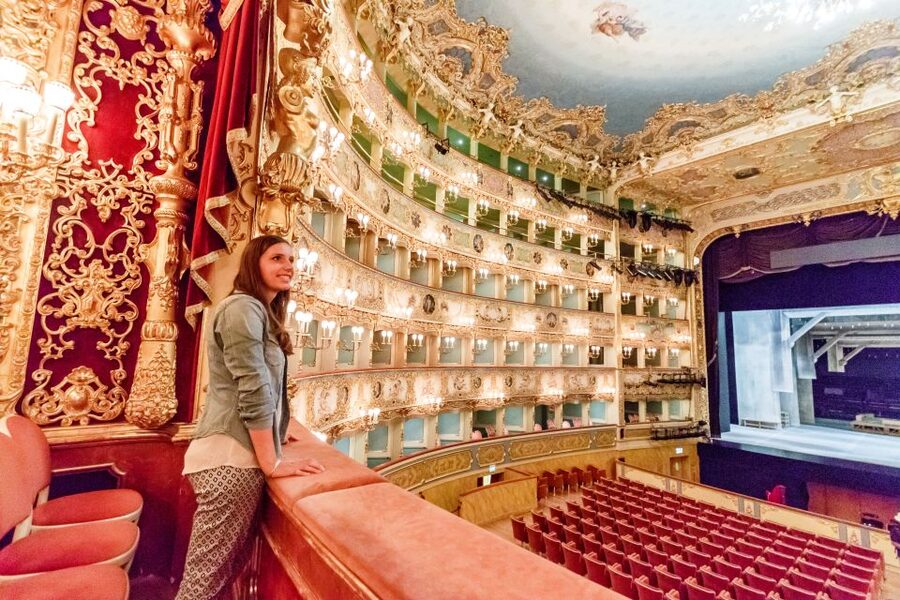
La Fenice is designed for serious sound and serious performance scale. It has a seating capacity of over 1,000, and the theatre’s acoustics are known for carrying voices clearly. The production setup includes a 98-member orchestra and a 66-person opera chorus, which is the kind of information that explains why the space feels grand when you stand in the wrong place and still hear it all.
Even during a one-hour visit, hearing those production numbers makes the theatre feel less like a decorated room and more like an instrument. You start noticing architectural choices as practical decisions: how the space holds sound, how the audience surrounds the stage, and how the theatre supports a full production rather than just solo performers.
This is also where the tour helps non-opera folks. You do not need to know opera. The guide can connect what you see to how opera is mounted here, and you get answers to questions even if your background is more “I like music” than “I can name every composer.”
Royal box moments: the best perspective for understanding opera culture
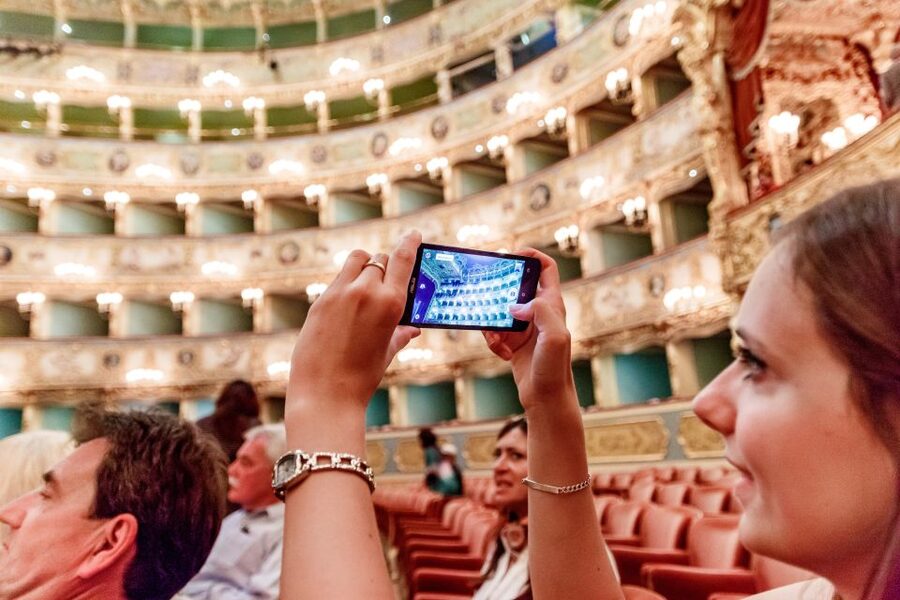
The royal box access is one of the highest praised parts of the experience. It is fascinating for two reasons.
First, it gives you a perspective on status. Historically, the way people sat, dressed, and watched was part of the evening. Seeing the box area helps you understand why opera house design is not only about music, it is also about social theatre.
Second, it gives you a practical visual map. Even if you are visiting without a performance ticket, you can start imagining where you might sit and what the view would feel like. If you are planning to attend a show soon after, this is a smart move. You are not guessing what the hall looks like. You are remembering it.
And there is a bonus that some guides make possible: the tour experience can lead into time to stay inside afterward, which lets you keep absorbing the space at your own pace. One review notes that there is even a little cafe in the theatre area, which is handy if you want to turn the visit into a slow pre-show or post-show hang.
When the tour shifts due to theatre testing or special access
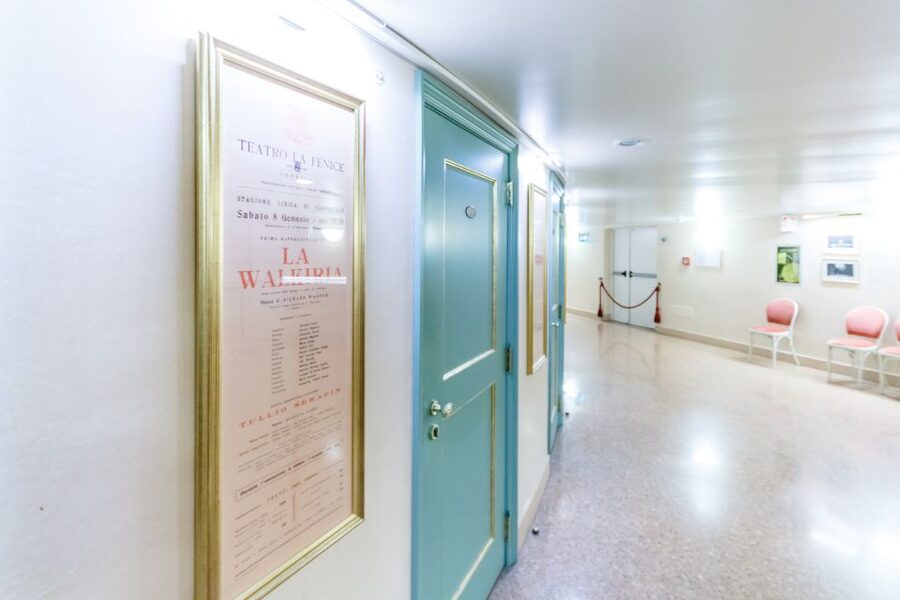
Most of the time, the tour runs smoothly. But because this is a functioning theatre, you should expect occasional “real life” adjustments.
One experience shared that the theatre was closed due to lighting testing, and the guide worked around it. The takeaway for you is simple: if you are on a tight schedule, keep your expectations flexible. This is still a valuable hour, but the exact rooms you see and how everything is timed can shift.
Also, languages can vary in some group scenarios. One experience mentioned both English and Italian being used and that English-speaking participants felt they received less information. The lesson for you is to come prepared to focus during the moments when the English guide is speaking directly to your group.
If you want maximum benefit, bring one or two clear goals, like learning the theatre’s history or understanding why certain rooms matter. That way, even if the pacing changes, you still leave with value.
Price and value: is $28 for La Fenice a good deal?

At $28 per person for a one-hour guided tour, you are paying for three things you would be hard to replicate on your own.
- A focused guided narrative. La Fenice is grand, but without context it can turn into “pretty rooms, nice ceiling.” Here, you get the history tied to named works and composers, plus a clear explanation of the theatre’s direction today.
- Access to the right viewing areas. The royal box experience and the guided route help you see more than just the standard public front-of-house impressions. That is where the tour feels worth it.
- Time efficiency. Venice can chew up hours fast. An hour inside a top-tier opera house with an English guide is a practical use of your time, especially if you also plan to attend an opera afterward.
If opera is your thing, this tour can deepen your evening. If opera is not your thing yet, it gives you just enough background to enjoy a show without needing a full music degree.
Who should book this tour, and who might skip it
I think this tour fits best if you want:
- A high-impact Venice indoor stop that does not require you to be an opera expert
- A guide-led experience that connects the building to specific works, including Rossini, Bellini, Stravinski, and Britten
- A chance to see areas like the royal box that most casual visitors miss
You might consider skipping if:
- You have mobility needs that require wheelchair accessibility (this tour is not suitable for wheelchair users)
- You dislike structured tours and prefer independent wandering only
- You want more than one hour, full backstage access, or a performance-length experience (this is a guided visit, not a rehearsal or backstage marathon)
Quick tips to make your hour count
- Wear comfortable shoes. You are walking inside and looking up, and you will move at a guide pace.
- Arrive ready with questions. The guides are eager to answer, and a short hour rewards curiosity.
- If you can, plan your opera evening the same day. Seeing the theatre first helps you feel oriented when the lights go down.
- If you have extra time afterward, stay a bit. Some experiences note you can linger after the tour, which is great for absorbing details slowly rather than rushing.
Should you book the Teatro La Fenice guided tour?
Yes, I would book it if you want a strong “Venice culture in one hour” experience. The value is real for $28, mainly because you get guided context plus high-priority access like the royal box perspective. It is also a smart primer for anyone planning an opera night, since you can connect what you learn to what you later see on stage.
The main reasons to hesitate are straightforward: the tour is not suitable for wheelchair users, and the pace is compact. If you are okay with that, you will get exactly what you came for, an elegant hour inside one of the world’s most famous opera houses, with a guide story that actually sticks.
FAQ
How long is the Teatro La Fenice guided tour?
The tour lasts 1 hour. Starting times depend on availability.
What does the tour cost?
The price is $28 per person.
Where do we meet for the tour?
You meet in front of the Teatro La Fenice entrance. The hostess meets you directly in front of the entrance.
Where does the tour take place?
The tour includes a guided visit inside the theatre. The explanation takes place inside, not during the walk to the theatre.
What language is the guide?
The live tour guide is English.
Is the tour suitable for wheelchair users?
No, it is not suitable for wheelchair users.
What is the cancellation policy?
You can cancel up to 24 hours in advance for a full refund.
Recently reviewed around Venice
- Skip the Line St. Mark’s Basilica Tour★ 3.5 · 5 reviews
- Shared Departure Transfer: Venice Hotels to Venice Train or Bus Station★ 3.5 · 73 reviews
- One-Day Venice: Skip-the-Line St. Mark’s Basilica, Walk & Gondola★ 4.0 · 20 reviews
- Another Side of the City: Discovering Authentic Venice★ 5.0 · 57 reviews
- Self Guided Tours Venice With 100 Captivating Audio Stories★ 5.0 · 3 reviews
- Secret Venice, an unusual walk – Private Walking Tour★ 5.0 · 61 reviews
- The Secret Venice + Cicheti & Wine Private Tour★ 5.0 · 21 reviews
- Venice Walking Tour with Audioguide on Your Smartphone★ 4.0 · 19 reviews
Classical Concerts & Opera, compared.
La Fenice Opera House Entry Ticket with Audio Guide
Read our review →
Interpreti Veneziani Concert at Church of San Vidal
Read our review →
Vivaldi’s Four Seasons Live Classical Music Concert
Read our review →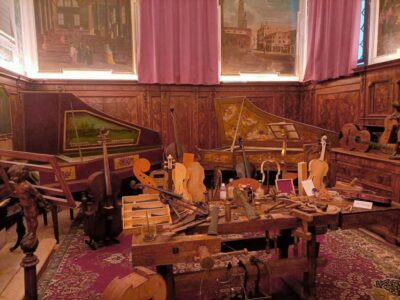
Vivaldi’s Four Seasons Concert & Music Museum Visit
Read our review →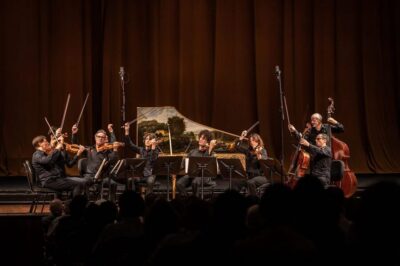
Vivaldi Four Seasons Concert at Vivaldi Church
Read our review →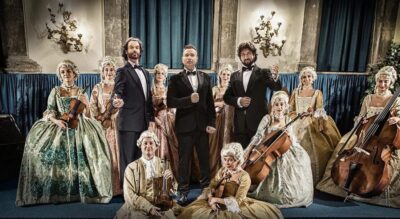
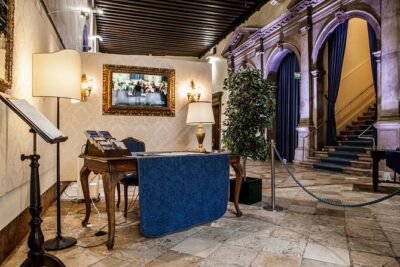
I Musici Veneziani Concert: Vivaldi Four Seasons
Read our review →
Musica a Palazzo ‘Traveling Opera’ Performance in Venice
Read our review →Browse the lists this tour appears in