
Reviewed · CLASSICAL CONCERTS & OPERA
Venice: La Fenice Theater Tour
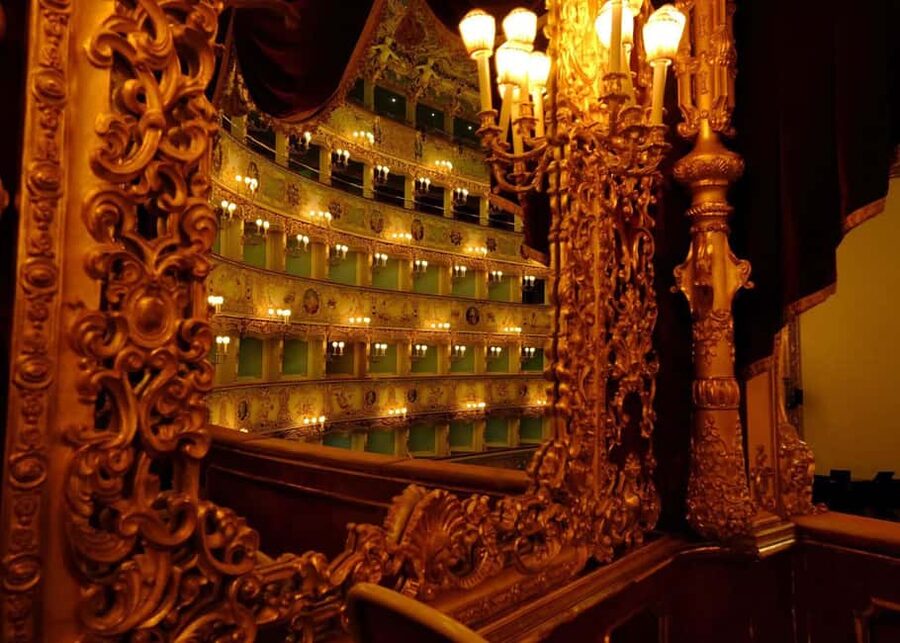
Venice is an opera city, but Teatro La Fenice turns that idea into a real place you can stand inside. The theater carries a dramatic backstory, from the fires that destroyed it to its comeback, and your guide connects that survival to the famous premieres that happened on this stage.
I especially love two things here: the way the interior details feel almost too ornate to believe, and the chance to sit in the main auditorium where the sound is built to travel. One drawback to plan around, though, is that this is a shared tour, so you will be moving with other people and you may not control the pace as much as you would on a private visit.
Key highlights you should care about
- Phoenix story, including the 1836 and 1996 fires that shaped the theater’s identity
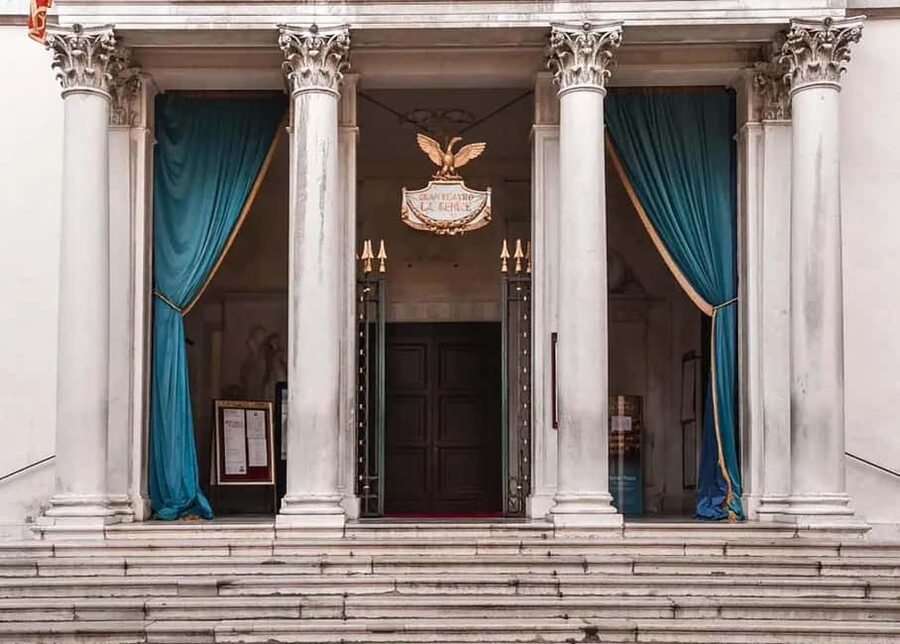
- Gilded, red-velvet grandeur, plus the modest exterior you have to see to believe
- Opera premiere connections, with Rossini and Bellini examples named by your guide
- Stravinsky and Britten in the modern spotlight, not just old-school legends
- Main auditorium seating, designed for famous acoustics and orchestral sound
- Behind-the-scenes context on day-to-day theater operations during your guided hour
Where Campo San Fantin Drops You at La Fenice
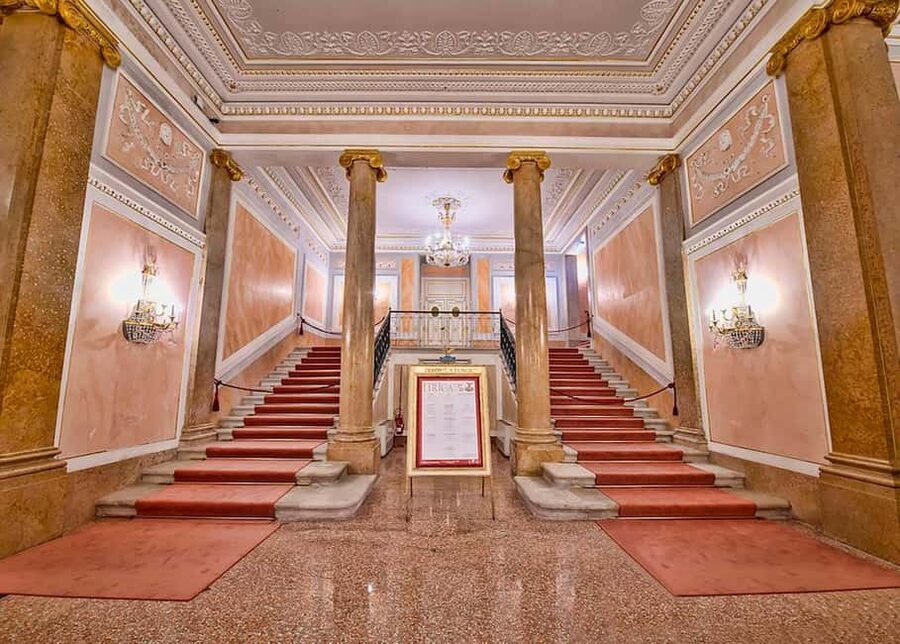
If you want this tour to feel smooth, start by going to the meeting point on time. You meet at Campo San Fantin, right at the entrance of Teatro La Fenice. The intro explanation happens inside the theater, not while you’re walking in the street, so you do not waste time standing around outside.
The fact that it’s a shared tour matters in practice. It usually means the group moves as one, and your guide will keep things moving to fit the full hour. You get enough time to ask a question, but this is not the kind of visit where you can linger in every corner for 20 minutes.
Also, this tour is English, and you’ll be with a live guide, which is a big deal for a place like this. La Fenice can look like “just another ornate theater” from the outside, but the guide ties the architecture, the fires, and the music to the same story. That is what turns the visit into something you remember.
More classical concerts and opera in Venice:
- Venice: La Fenice Opera House Entry Ticket with Audio Guide
★ 4.6 · 11,742 reviews - Venice: Interpreti Veneziani Concert at Church of San Vidal
★ 4.8 · 3,256 reviews - Venice: Vivaldi’s Four Seasons Live Classical Music Concert
★ 4.6 · 2,524 reviews
Stepping Into the Phoenix: Fires, Rebuilds, and Why La Fenice Matters
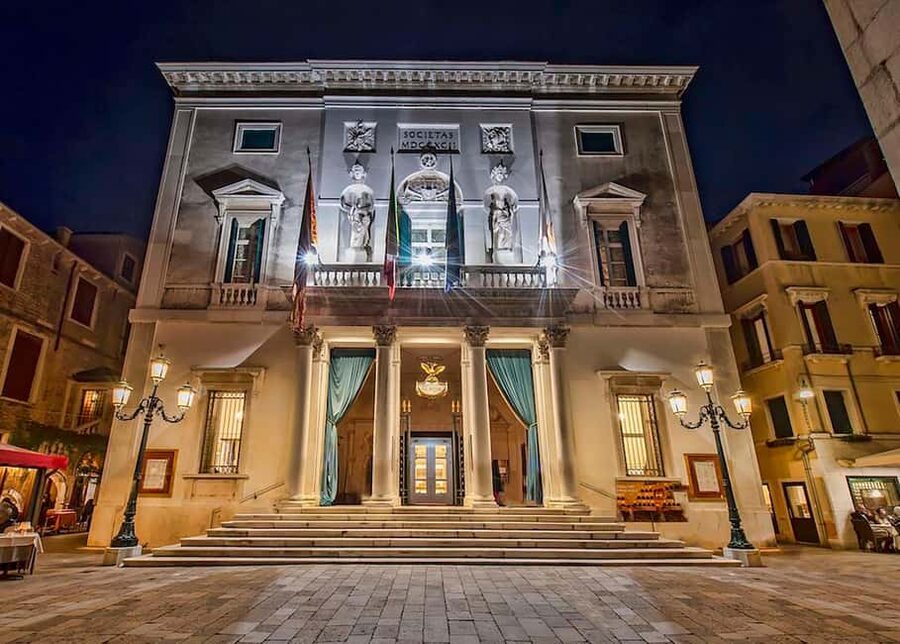
The name La Fenice means “The Phoenix,” and the theater’s story matches the myth. It has risen again and again, after major fires. The guide walks you through the destruction in 1836 and again in 1996, then the reconstructions that brought the venue back.
Here’s why I think this part is valuable, even if you are not an opera superfan. When you stand in a space that has been rebuilt more than once, you start noticing what stayed the same, what changed, and what the city decided was worth protecting. You can feel that the theater is not just a pretty building. It is a cultural survival machine for Venice.
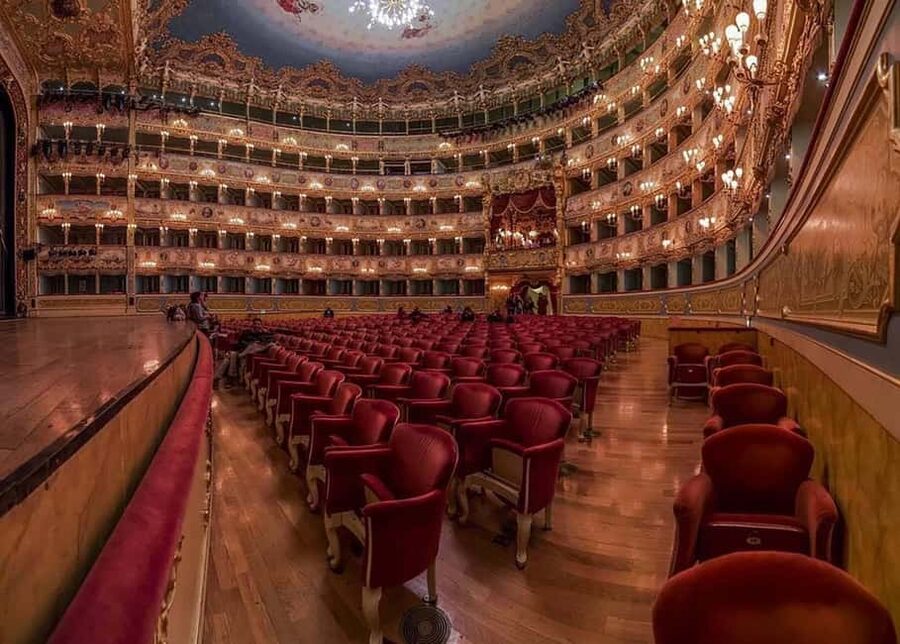
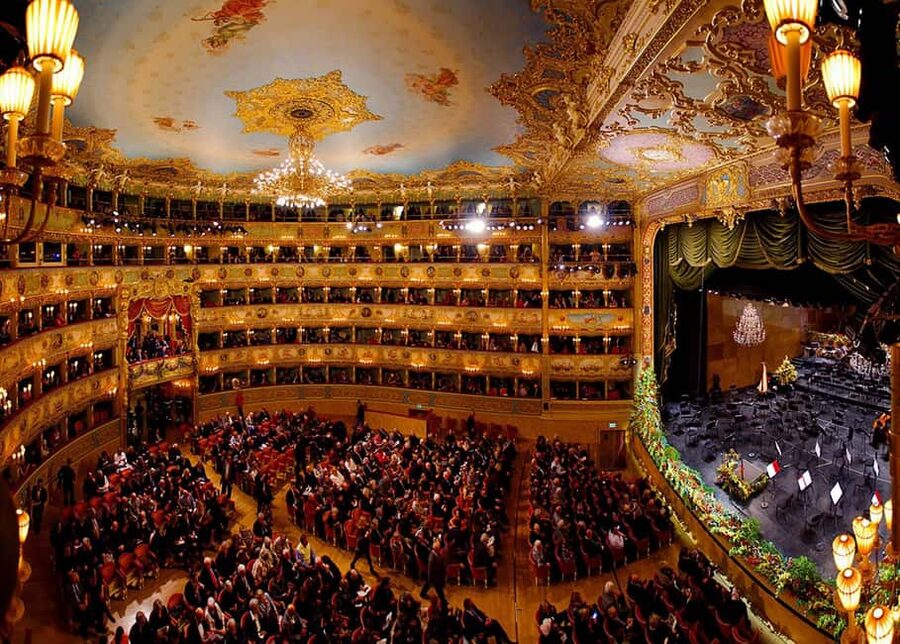
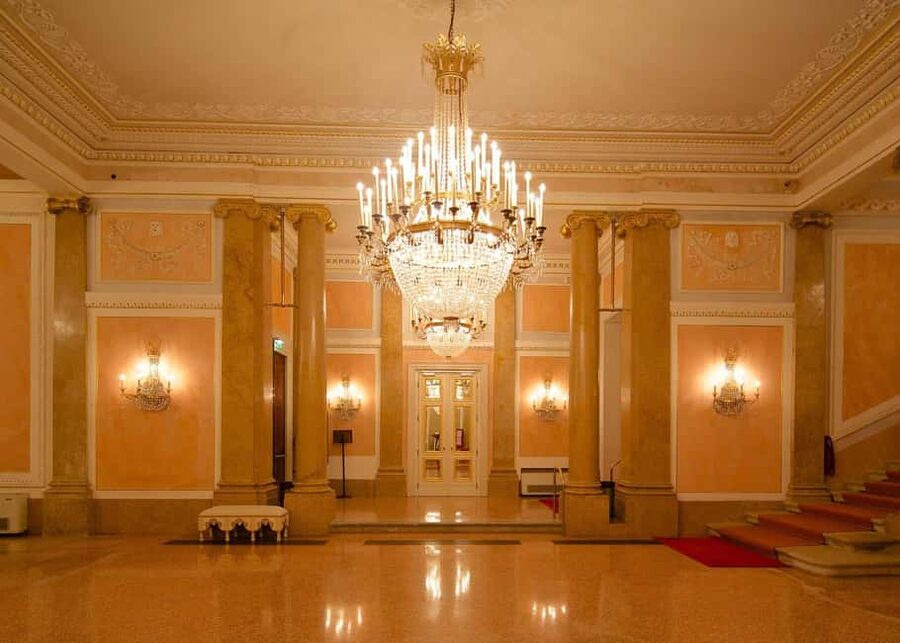
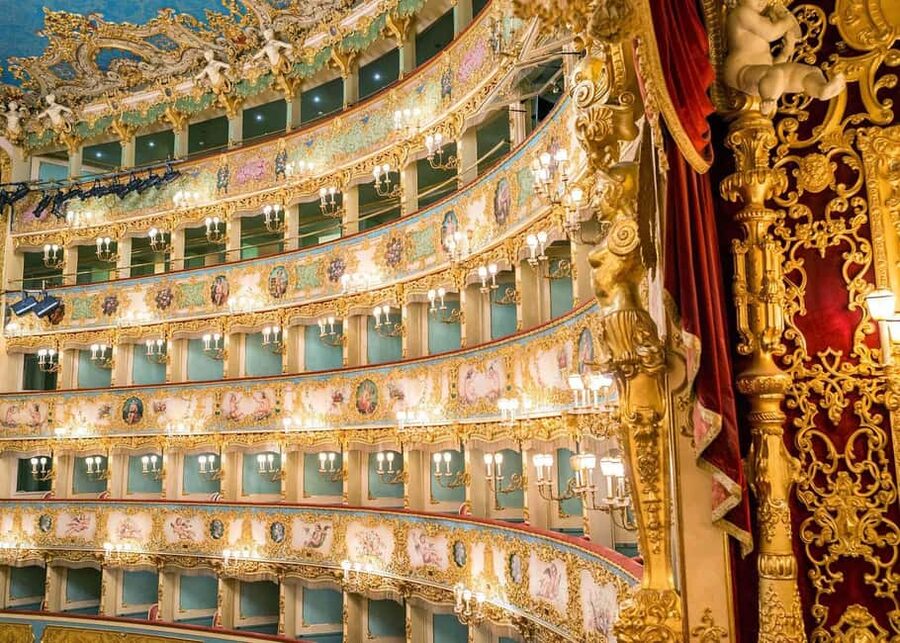
Then the tone shifts fast as you go from the outside to the inside. The exterior is described as modest, but the moment you enter, you get a big contrast: gilded details, red velvet seating, and a grand chandelier overhead. This is one of those interiors where you understand why people dress up for performances. Even before any music starts, the room is already doing the emotional work.
And your guide doesn’t just list events. They connect the theater’s rebirth to Venice’s stubborn love of the arts. That link matters because La Fenice is not isolated. It is part of the city’s creative rhythm, and the guide makes that feel real without turning it into a lecture.
The Premieres You Hear About: Rossini, Bellini, and Opera Power Moves
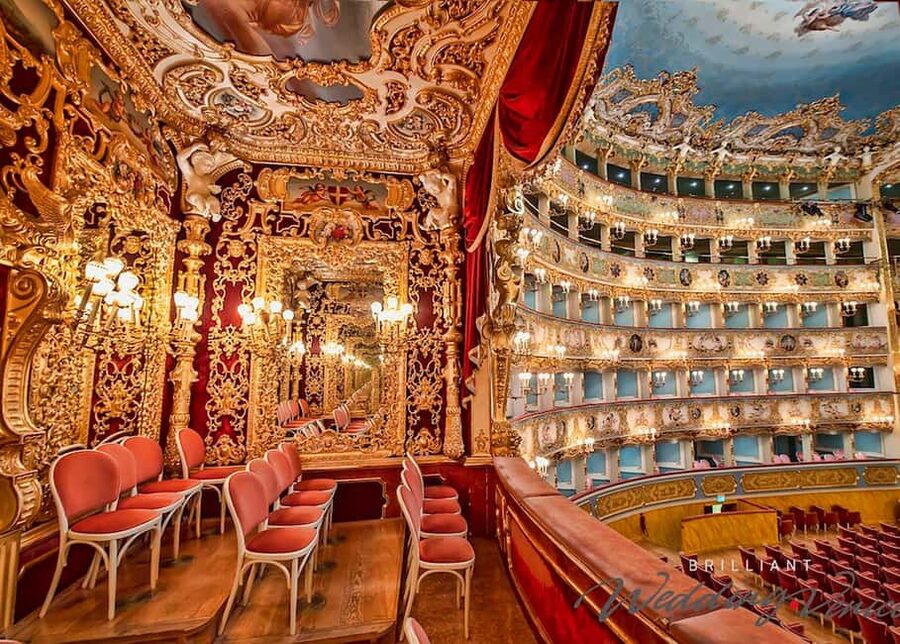
Once you’re inside, you’re not just looking at decoration. You are touring a stage that has hosted big moments. Your guide highlights premieres and composers connected to La Fenice, including major 19th-century successes.
Rossini is one of the named stars, with operas such as Tancredi, Sigismondo, and Semiramide associated with La Fenice premieres. Bellini also features strongly, with I Capuleti e i Montecchi and Beatrice di Tenda mentioned as debut works tied to the theater.
If you know just a little opera, these names can be your map. If you know nothing, it still works, because your guide frames what these premieres meant at the time. You learn why La Fenice became a preferred venue for certain composers, and why the theater gained a reputation for creativity and artistic ambition.
In a short one-hour tour, the guide has to pick key threads. The best ones here are the composer connections, because they give the architecture purpose. The theater is not just beautiful, it has a job to do: carrying music from the stage to the audience in a way that feels alive.
Old Legends Plus Modern Opera: Stravinsky and Britten in the Same Room
A common mistake with theater tours is that they freeze everything in the past. La Fenice tours like this one do the opposite by pointing out what’s happening now, not only what happened centuries ago.
You learn that La Fenice still places emphasis on contemporary works. Two specific titles are highlighted: Stravinsky’s The Rake’s Progress and Britten’s The Turn of the Screw. The point is not that you need to recognize every name. The point is that the theater keeps evolving while still honoring the older prestige.
That matters because a lot of “historic” sites become museums. La Fenice stays a working cultural venue, and your tour makes that clear. If you like theater as a living thing, not a relic, this blend of old premieres and newer productions helps you see the theater’s relevance.
Same city, a very different kind of day on the water:
- Venice: Doge’s Palace Reserved Entry Ticket
★ 4.6 · 42,716 reviews - Venice: Grand Canal Gondola Ride with App Commentary
★ 4.1 · 18,908 reviews - Boat Trip: Glimpse of Murano, Torcello & Burano Islands
★ 4.3 · 15,699 reviews - Venice: Grand Canal by Gondola with Live Commentary
★ 4.1 · 13,681 reviews
Sitting in the Auditorium: Acoustics You Can Feel
One of the biggest practical perks of this tour is that you get to sit in the auditorium. You don’t just stand on the sidelines and look. You take your place where the sound is meant to land.
The auditorium seats over 1,000 people, and the tour focuses on why it’s famous for its acoustics. Your guide explains how the design supports what you hear when a full production happens. The information you’re given includes orchestra and chorus scale, including a 98-piece orchestra and a 66-member chorus.
Even if you do not get a performance during the tour, you can still understand the advantage. When you sit there, you feel that the room is built for clarity and balance. You can also imagine how singers would project without the sound getting muddy. This is the kind of “insight through experience” that makes a theater tour worth paying for.
One more thing I like here is pacing. In an hour, it is easy for guided tours to rush past the best moment. The structure of this visit centers the auditorium, so the time you spend there is not an afterthought. In practice, it gives you a sense of the venue as an instrument.
Inside the Daily Machine: What the Behind-the-Scenes Part Actually Adds
You also get behind-the-scenes insights into daily operations. The important word here is insights, not a full backstage tour. This is still a guided visit focused on the theater experience, but your guide adds context about how the venue works day to day.
This matters because it changes how you interpret what you see. Instead of thinking, “Nice room, pretty theater,” you start thinking, “This is a system that supports rehearsals, performances, and all the careful logistics that make a show possible.”
In real life, a lot of people visit famous opera houses only once and forget them quickly. I think this operational context helps you remember the visit, because it turns the theater from a photo stop into a place with rhythm.
Also, one English-speaking guide named Alberto is specifically mentioned for having a clear, well-paced style. When a guide keeps the flow steady, you do not lose momentum between the story, the rooms, and the auditorium moment.
Price and Value: Is $77 a Good Deal for an Hour?
At $77 per person for a 1-hour guided tour, you are paying for more than entry. The included items are a professional guide and theater entrance.
So is it worth it? In my view, it can be, if your goal is to get inside La Fenice and understand what makes it special without spending hours researching on your own. You are also paying for the “how it works” explanation, plus the focus on premiere stories and the auditorium experience.
If you’re the type who is happy reading plaques at your own pace, you might feel this is pricey for a single hour. But if you want the theater to make sense in context, the guide does real work here. This tour is short, but it targets high-impact parts: story, architecture, named operas, and the main room with acoustics.
The value gets better if you group your Venice time efficiently. Since you are already in the city’s historic center, you can fit this into an opera-themed day without needing to arrange separate transport.
Timing Tips in Venice: Don’t Stack Too Many Tours
Venice is great, but it punishes sloppy planning. This tour is advised not to be booked with close time slots on the same day, mainly because walking and timing delays happen. Since the tour is shared, starting late can also compress the group experience.
My practical advice: give yourself buffer time around the meeting point, and treat this as a main event of the hour. Then plan quieter activities right after, like a slow walk back through the streets or a relaxed stop for something simple to eat.
Also, your support team may reach out after booking. You’re asked to leave a WhatsApp number, so have that ready. It avoids last-minute stress.
Who Should Book This Teatro La Fenice Tour
This tour is a strong fit if you:
- love the idea of opera as a place, not just recordings
- want to see the theater interior and sit in the auditorium
- like guided context, especially when it connects architecture to premieres
It may not be the best fit if you:
- need wheelchair access, since it’s not suitable for wheelchair users
- prefer totally self-paced visits with no group structure
If you’re in Venice for a short trip, the hour is also a plus. You get a concentrated experience without committing to a half-day.
Practical Before You Go: ID, Location, and What to Bring
Bring passport or an ID card. That is specifically listed as required.
When you arrive, remember the meeting point: Campo San Fantin, at the entrance of the theater. And even though the schedule can vary slightly, the tour’s order is flexible at the guide’s discretion, so be ready to follow their flow once you are inside.
Lastly, know that the tour is not focused on food, so plan a separate meal. The tour does not include drinks or snacks.
Should You Book La Fenice?
If you’re excited by theaters, opera landmarks, or Venice cultural history, I think this is a good booking. You get real access inside Teatro La Fenice, a guided explanation that ties together the phoenix fires, famous Rossini and Bellini premieres, and later works including Stravinsky and Britten, plus the key payoff of sitting in the main auditorium for the acoustics.
Skip it only if you strongly dislike shared-group pacing, you need wheelchair accessibility, or you feel that a one-hour theater visit is too short for your travel style. Otherwise, book it and plan your day around that one memorable hour inside the building where music history has been remade, again and again.
FAQ
How long is the Teatro La Fenice theater tour in Venice?
The tour lasts 1 hour.
Where do I meet for the La Fenice tour?
You meet at Campo San Fantin, at the entrance of Teatro La Fenice.
Is the tour guided, and what language is it in?
Yes, it includes a live guide. The tour is in English.
Is entrance to the theater included?
Yes. Entrance to the theater is included.
What should I bring with me?
Bring your passport or ID card.
Is this a private tour?
No. The tour is shared.
Is the tour suitable for wheelchair users?
No. It is not suitable for wheelchair users.
What is included in the price, and is food provided?
The price includes the professional guide and theater entrance. Food and drinks are not included, and transportation to and from your hotel is not included.
Recently reviewed around Venice
- Yummy Cooking Class In Venice★ 4.9 · 122 reviews
- VIRTUAL MUSEUM: Creature di Gomma – Venice Vintage Toys★ 4.7 · 3 reviews
- Venice: City Tour & Skip the Line for St. Mark’s Basilica★ 4.1 · 84 reviews
- Your evening in Venice – Legends&Ghosts&Aperitif★ 4.7 · 79 reviews
- Venice: Watercolor Painting Class at the Prisons Palace★ 4.7 · 27 reviews
- Walking Tour to Uncover the Hidden Venice★ 4.4 · 34 reviews
- Wine Tasting in Venice★ 4.6 · 42 reviews
- Venice Walking Tour from St. Mark’s to Rialto Bridge★ 4.5 · 12 reviews
Classical Concerts & Opera, compared.
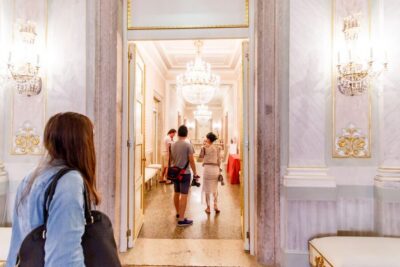
La Fenice Opera House Entry Ticket with Audio Guide
Read our review →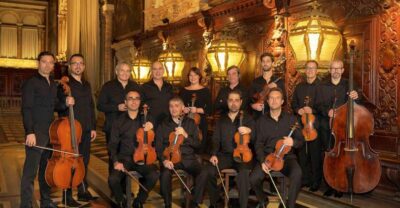
Interpreti Veneziani Concert at Church of San Vidal
Read our review →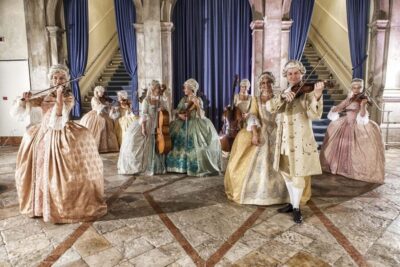
Vivaldi’s Four Seasons Live Classical Music Concert
Read our review →
Vivaldi’s Four Seasons Concert & Music Museum Visit
Read our review →
Vivaldi Four Seasons Concert at Vivaldi Church
Read our review →
I Musici Veneziani Concert: Vivaldi Four Seasons
Read our review →
Musica a Palazzo ‘Traveling Opera’ Performance in Venice
Read our review →Browse the lists this tour appears in