Reviewed · TICKETS
Venice: Fondazione Querini Stampalia Entry Tickets
A visit to Fondazione Querini Stampalia is interesting because it mixes centuries of Venetian life with both classic paintings and modern architecture ideas in one place. I love the Carlo Scarpa garden, and I also like how the contemporary works sit in historic rooms with a clear sense of place. The only drawback to plan around is timing, since the museum closes at 6 PM and the last entry is at 5.30 PM, and it is closed on Mondays.
This is a self-guided, one-ticket-for-the-day kind of visit. You get an audio guide, you can roam at your own pace, and you will find good spots to pause, including the café and a bookshop area that makes a long day in Venice feel less exhausting. If you show up with a planless wander mindset, you will have a great time.
If you are into art beyond the usual church stops, this is a smart use of time. At $14 for a full-day entry with permanent and temporary exhibitions and an audio guide, it is strong value for a Venice itinerary that needs one calm, elegant break.
Key things to know before you go
- One ticket, all day means you can start whenever you want within opening hours and keep your pace.
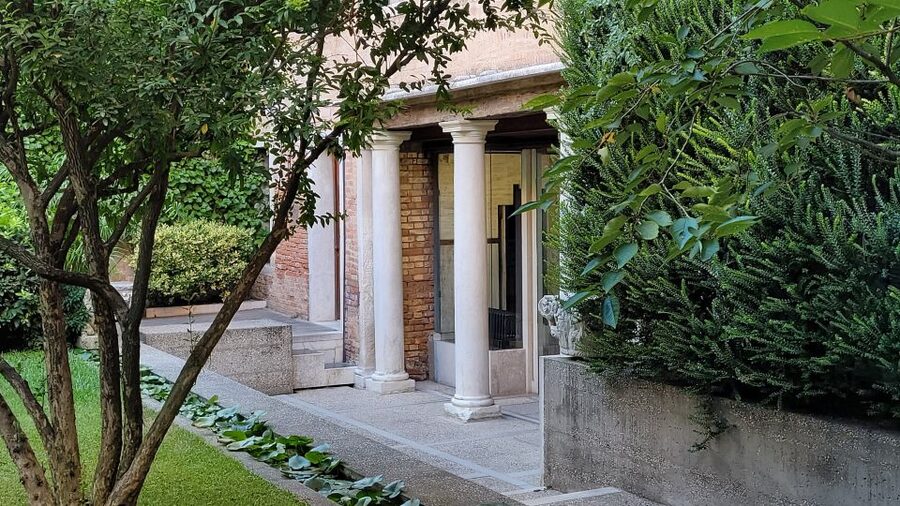
- Carlo Scarpa’s garden is the standout architectural moment, and it changes how you experience the house.
- Art spans the 14th to the 20th century, so you get more than one style or period.
- Modern design meets Venetian rooms, with artists such as Joseph Kosuth and Mario Botta.
- You can take real breaks, including time at the café, bookshop, and courtyard seating.
- Last admission is 5.30 PM, so don’t treat this like a late-night option.
Fondazione Querini Stampalia: a patrician palace where art changes with the rooms
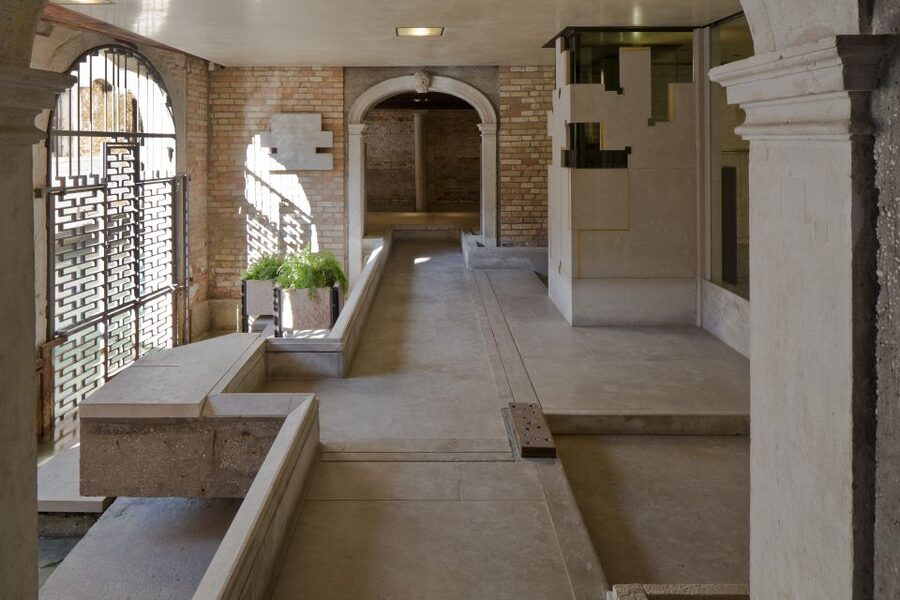
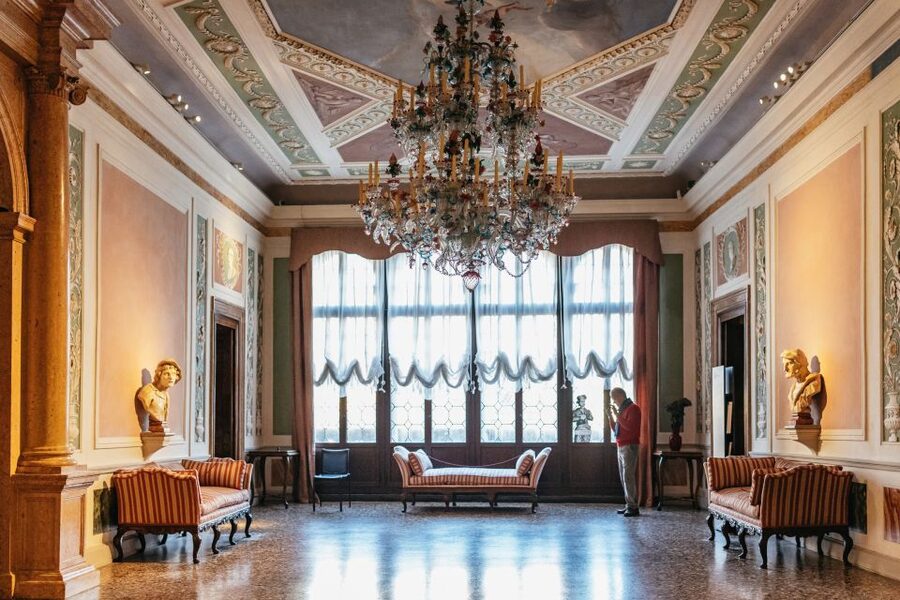
Fondazione Querini Stampalia is not just a gallery you pass through. It is an aristocratic palace from the era of Count Giovanni Querini, and the setting matters. In Venice, that is half the experience. The rooms do not feel like neutral boxes, they feel like a home that has been turned into a museum while keeping its rhythm.
What I like most is that you get a full-on mix of styles without feeling shoved from room to room. You can walk from classic Venetian painting areas into spaces showing contemporary work by artists such as Joseph Kosuth, Mario Botta, Valeriano Pastor, and Michele De Lucchi. Then, you can step outside into the garden by Carlo Scarpa, which is where the visit finally clicks into an architectural flow instead of a strict art timetable.
If you like Venice for its details, this place rewards you. You will notice how the museum’s layout supports lingering. There are places to sit, and there is a sense that you are supposed to slow down and move on when you feel ready.
A few more Venice tours worth comparing
- Venice: Doge’s Palace Reserved Entry Ticket
★ 4.6 · 42,716 reviews - Venice: La Fenice Opera House Entry Ticket with Audio Guide
★ 4.6 · 11,742 reviews - Venice: Leonardo Da Vinci Museum Entrance Ticket
★ 4.5 · 3,560 reviews
Tickets, price, and when to arrive for a smoother day
The ticket is $14 per person and includes entry to both permanent and temporary exhibitions, plus an audio guide. That combination matters because you are not paying for just one collection. You are getting multiple layers: historic house museum experience, long-running artwork galleries, and whatever temporary exhibits are on during your dates.
You also get a one-day ticket valid for the whole day, which is one of the easiest things to plan around in Venice. I like day tickets because they reduce stress. You can fit this around a morning water-bus route, a long lunch break, or an afternoon museum circuit.
Timing matters more than you might expect. Opening hours are 10 AM to 6 PM, with the last admission at 5.30 PM. If you arrive late, you may still enter, but you will compress the garden and the calmer rooms. My practical advice is to aim for earlier in the day if you want time to sit and actually watch how the light falls in the outdoor areas.
Two more timing notes that matter:
- The museum is closed on Mondays.
- Plan to carry only what you need, since large bags and luggage are not allowed.
A self-guided route that makes sense, without rushing

This is not a timed, step-by-step tour. It is your pace, your path, and your order of rooms. Still, you can make the visit easier by thinking in zones, then letting the audio guide help you link what you see.
Here is a practical flow I recommend:
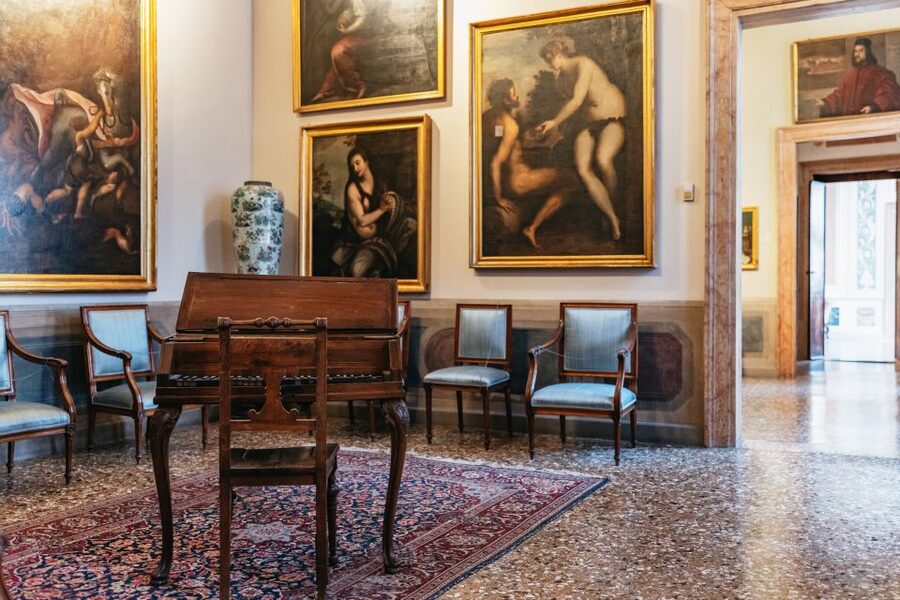
Start with the house and collections indoors. Get your bearings with the permanent galleries and older masterpieces first. The museum covers a wide range, including work from the 14th to the 20th century, so starting inside helps your brain lock onto style changes.
Then move into the contemporary spaces. The contemporary portion is not separate in a way that feels gimmicky. You will see modern art and modern design ideas presented in a historic palace setting. That contrast is exactly the point.
Finish with the garden and a reset break. The garden designed by Carlo Scarpa is meant to be experienced, not skipped. If you save it for later, it feels like a reward. If you do it too early, the rest of the museum can feel like it has to catch up.
Throughout the day, use the audio guide to pace yourself. It helps you spend time in rooms where you might otherwise just glance and move on. In a place like this, you want the audio to turn random looking into informed looking.
The art you actually came for: Bellini, Palma Vecchio, Tiepolo, and more
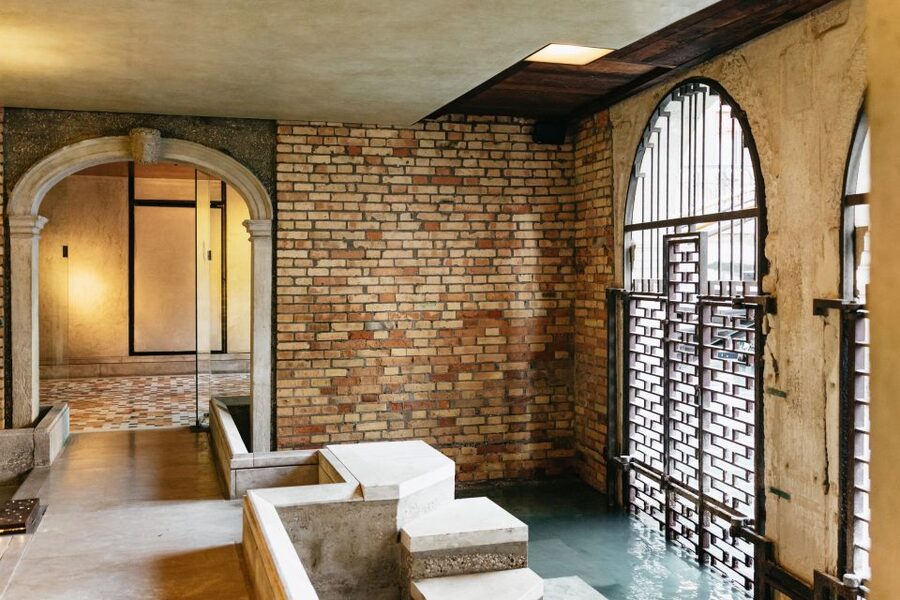
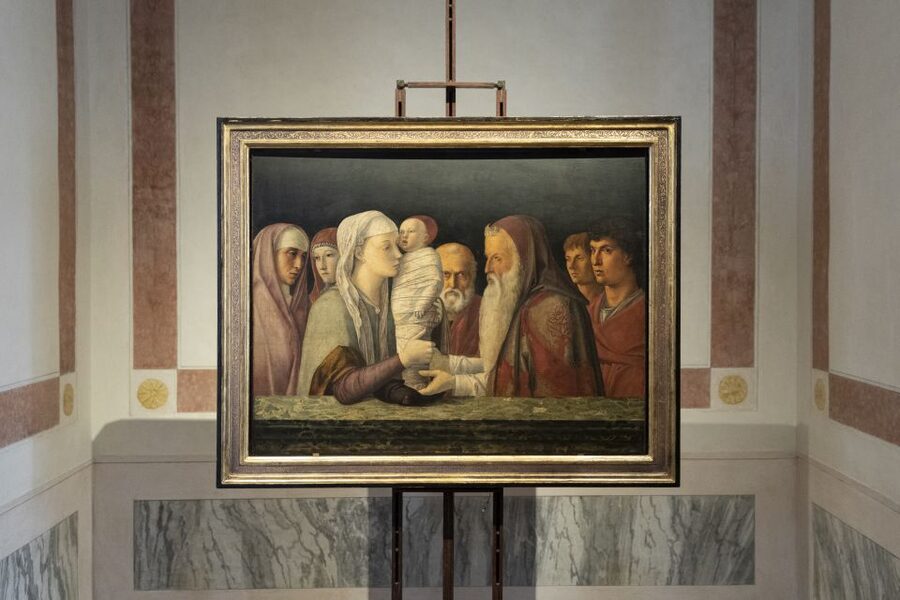
One reason this museum is worth your time is the range of famous names you will recognize. You will see masterpieces by Giovanni Bellini and Palma il Vecchio (often written as Palma Vecchio). You can also encounter works by Pietro Longhi and Giambattista Tiepolo. Even if you do not know every artist, the paintings give you that immediate Venice connection.
What I like about having these masters in one place is that it creates a clearer sense of what Venetian culture valued across time. You can connect the high-society world of Venetian patricians with the visual language of the city, then compare it to what modern artists chose to bring into the same rooms.
The museum also includes artwork across a broad time span, from 14th-century work onward into the 20th century. That means you are not just ticking off famous names. You are walking through a changing attitude toward art, patronage, and style. It helps you understand Venice as a place that kept reinventing itself, even when it looked rooted in tradition.
If you like to spend your museum time where you can slow down, lean into the rooms that give you time to really stand and look. This is the kind of museum where a few extra minutes per room adds up quickly.
Same city, a very different kind of day on the water:
- Venice: Grand Canal Gondola Ride with App Commentary
★ 4.1 · 18,908 reviews - Boat Trip: Glimpse of Murano, Torcello & Burano Islands
★ 4.3 · 15,699 reviews - Venice: Grand Canal by Gondola with Live Commentary
★ 4.1 · 13,681 reviews - Doge’s Palace & St. Mark’s Basilica with Terrace Access Tour
★ 4.7 · 10,697 reviews
Contemporary artists in Venetian rooms: Kosuth and Botta in context
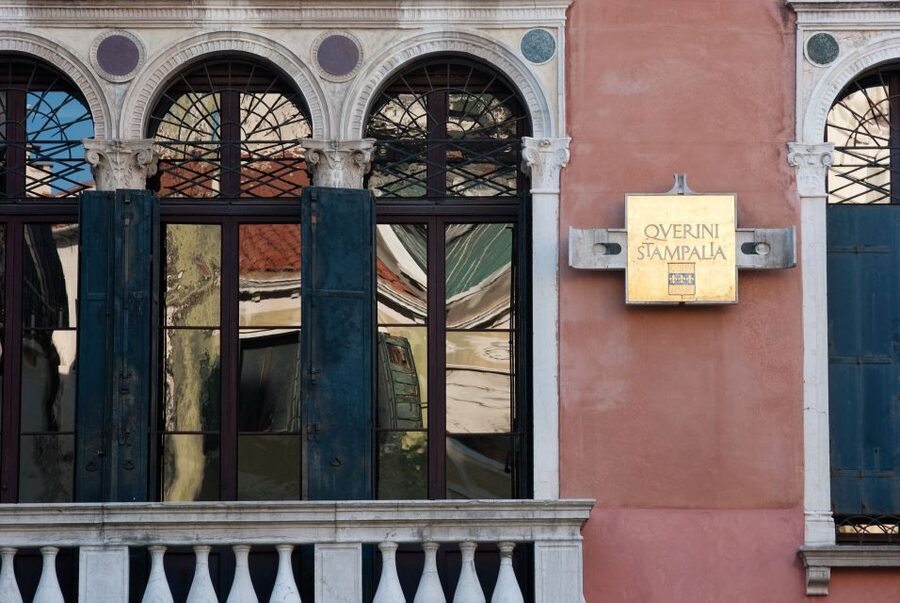
A lot of museums use contemporary art as an add-on. Here, it feels like it is part of the building’s logic. You will encounter contemporary artists including Joseph Kosuth and Mario Botta, plus other names such as Valeriano Pastor and Michele De Lucchi.
The value of seeing contemporary work in a historic palace is that you get a real conversation between eras. It is not about which period is better. It is about how ideas about form and space adapt when you place them in a different world.
When you walk through these rooms, watch how your eye behaves. In older galleries, you are used to narrative, figure work, and established techniques. In contemporary rooms, the focus can shift to structure, concept, materials, and the way a piece interacts with the room it sits in. The museum setting gives you the chance to compare your instincts room by room.
If your art taste is flexible, this is a great spot. If you prefer only one style, you can still enjoy the classic collections and treat the contemporary areas as short, focused stops. Either way, you set the tempo because the admission is valid for the day.
Carlo Scarpa’s secret garden: the moment you plan around
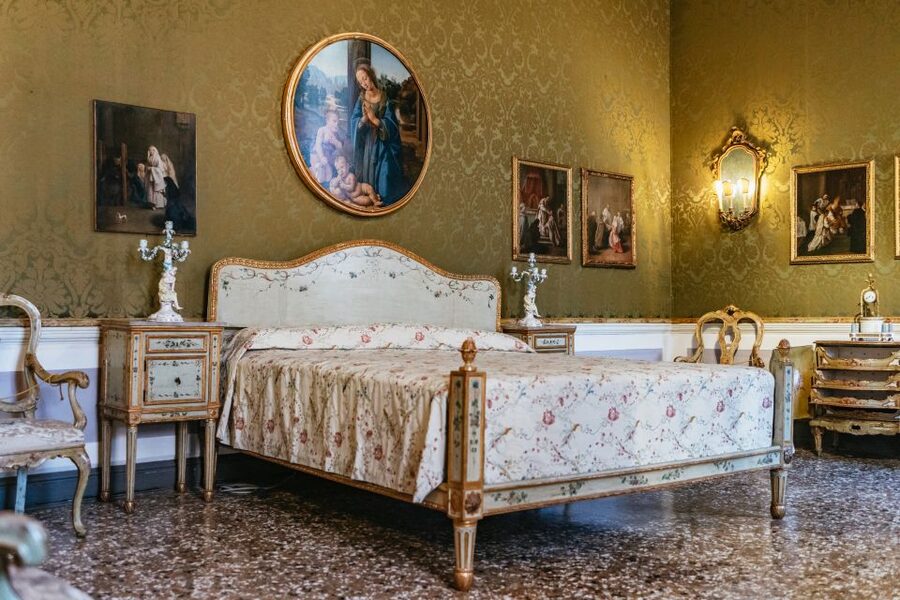
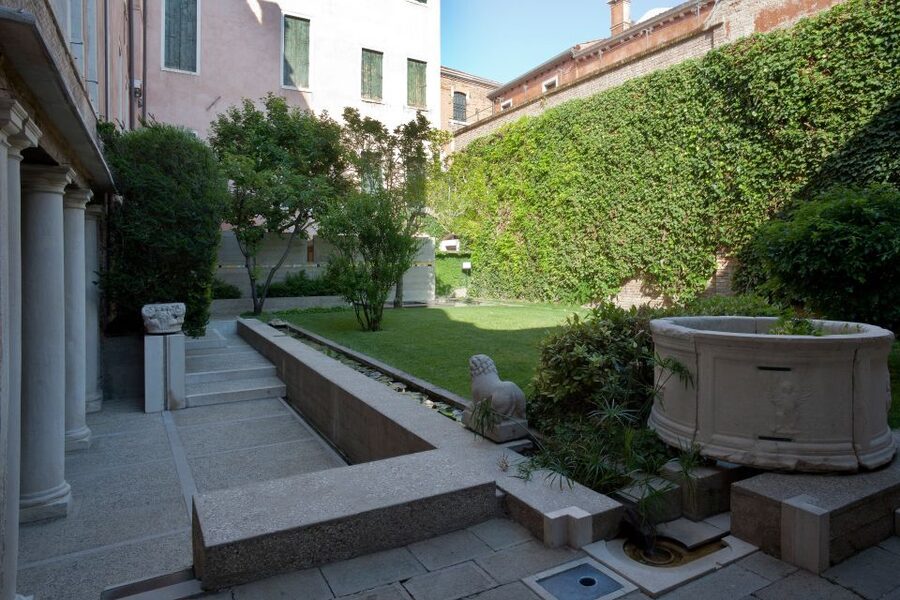
The garden is the part I would build the day around. It is designed by Italian architect Carlo Scarpa, and it does something special in Venice: it turns a walk through a museum into an outdoor architectural experience.
You will find yourself moving differently here. Inside, you might naturally speed from room to room. Outside, you tend to stop more. That matters, because Scarpa’s design is about edges, structure, and the way spaces connect. A garden in a Venetian palace context is not just greenery. It is part of how the house works.
Make time for it. Do not treat it like a quick photo stop. If you like architectural details, spend extra minutes circling slowly and looking for small transitions between areas. If you need a practical rule, use this one: plan at least one longer pause in the garden, then see how much energy you have left for the indoor rooms after.
Temporary exhibits, café breaks, and the bookshop that turns into a rest stop
A ticket like this includes temporary exhibitions, so your experience will reflect what is on during your visit dates. That is a big plus for repeat value. Even if you have seen parts of the permanent collection, the temporary programming can give you a new reason to return.
Just as important, the museum supports breaks. You can visit the café, stop by the bookshop, and then move into the spaces where you can rest. One of the most useful things about this kind of place is that you can regain your energy without leaving the site or feeling like you are wasting time.
I especially like museums that have a place where you can slow down instead of forcing you back outside into the heat, crowds, or street noise. Here, you can regroup in between galleries. That makes it easier to enjoy the slower pace and not just “finish the checklist.”
What to expect from a full-day visit, in plain terms
Even though the ticket is one day, you do not need to cram every room to get your money’s worth. The best approach is to pick your rhythm.
If you want a balanced visit, aim for:
- A focused start inside with the older masters and the permanent galleries.
- A later shift into contemporary rooms when you feel your eyes have adjusted to different styles.
- A garden visit when you can actually slow down.
- One pause for the café and one pass through the bookshop.
The museum is wheelchair accessible, which makes it friendlier than many older Venice sites. At the same time, you must plan around the rule that luggage or large bags are not allowed. Pack light or keep your belongings minimal so the museum feels like a pleasure, not a hassle.
You can also plan your day around the fact that audio guide is included. That means you can spend less time trying to read every label and more time using the guide to interpret what you see.
Value in real Venice terms: why this ticket often beats a bigger checklist
Venice is full of famous sights. Fondazione Querini Stampalia is quieter, more thoughtful, and it often fits better into the emotional needs of a trip. When your day starts to feel overloaded, this museum gives you a controlled pace.
Here is why I think the value is strong:
- You get both permanent and temporary exhibitions in one price.
- You also get an audio guide, which helps you actually enjoy the art instead of rushing through it.
- The experience includes architecture and garden design, not just paintings.
- You have places to sit and regroup, which matters in Venice more than you think.
For $14, you are paying for a whole day of art and house-museum atmosphere, plus the architectural highlight of Scarpa’s garden. That is a pretty fair deal when you consider how long it can take to get from one major stop to another across the city.
Who should book this entry ticket
This ticket is ideal if you:
- Like art that goes beyond religious or postcard scenes.
- Enjoy architecture and spaces you can move through slowly.
- Want a day option that does not require a strict tour schedule.
- Appreciate a museum that includes a garden and comfortable break points.
It may not be the best fit if you:
- Want only the most famous single artwork, then to leave quickly.
- Are sensitive to contemporary art elements in the mix.
- Are arriving late enough that you will feel rushed before the 5.30 PM last admission window.
That said, the one-day ticket format gives you flexibility. If you show up and adjust on the fly, you can still make it work.
Should you book Fondazione Querini Stampalia tickets?
Yes, book it if you want a Venice experience that feels human-scaled. The mix of historic house atmosphere, well-known Venetian names like Bellini, Palma Vecchio, Longhi, and Tiepolo, plus modern artists such as Joseph Kosuth and Mario Botta makes it more interesting than a one-style museum day.
Book it with a plan to spend time in the garden and take at least one real break in the café or courtyard seating. If you do that, you will leave with the sense that you did more than see art, you experienced how art and architecture can share the same rooms.
FAQ
What time is the museum open?
The museum is open from 10 AM to 6 PM, and the last admission is at 5.30 PM.
Is Fondazione Querini Stampalia closed on any day?
Yes, the museum is closed on Mondays.
How long is the entry ticket valid?
Your entry ticket is valid for 1 day.
What is included with the ticket?
The ticket includes entry to permanent and temporary exhibitions, and an audio guide.
Are luggage or large bags allowed inside?
No, luggage or large bags are not allowed.
Is the site wheelchair accessible?
Yes, the museum is wheelchair accessible. Pets are not allowed, though assistance dogs are allowed.
Recently reviewed around Venice
- Skip the Line St. Mark’s Basilica Tour★ 3.5 · 5 reviews
- Shared Departure Transfer: Venice Hotels to Venice Train or Bus Station★ 3.5 · 73 reviews
- One-Day Venice: Skip-the-Line St. Mark’s Basilica, Walk & Gondola★ 4.0 · 20 reviews
- Another Side of the City: Discovering Authentic Venice★ 5.0 · 57 reviews
- Self Guided Tours Venice With 100 Captivating Audio Stories★ 5.0 · 3 reviews
- Secret Venice, an unusual walk – Private Walking Tour★ 5.0 · 61 reviews
- The Secret Venice + Cicheti & Wine Private Tour★ 5.0 · 21 reviews
- Venice Walking Tour with Audioguide on Your Smartphone★ 4.0 · 19 reviews
Tickets, compared.
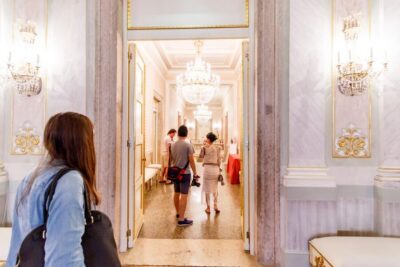
La Fenice Opera House Entry Ticket with Audio Guide
Read our review →
St. Mark’s Basilica & Doge’s Palace Tour with Ticket
Read our review →
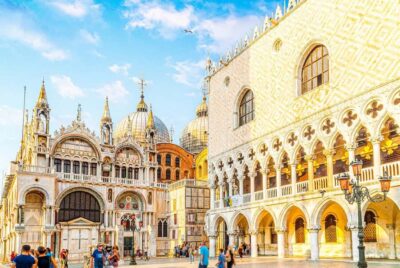
Doge’s Palace & St. Mark’s Basilica Tickets + Tour Options
Read our review →