
Reviewed · VENICE
Gay Life in Venice from the Middle Ages to Present Days
If you want Venice with more than canals and postcards, this LGBTQ history walk is a smart detour. You move through the city’s streets and palazzi while learning how people loved, hid, and got punished across centuries.
I love how the tour keeps things intimate with a tiny group, and how that makes the guide easy to follow when stories get complicated. I also like the mix of place-based details, from surveillance in churches to a later stop at Harry’s Bar.
One thing to consider: the material includes adult themes and the real violence of anti-LGBT laws, so it is not a light, fluffy history stroll. If you only want romance, you might find some stops hard.
Key points before you go
- Tiny group size with numbers capped at eight travelers, and a maximum of 10 per tour
- Two hours walking between the Campo San Giacomo dell’Orio area and the Rialto area
- English-guided with a lead who tells stories clearly (and keeps the pace friendly)
- 19 stops that connect medieval cruising spots, public punishments, and later cultural landmarks
- Mobile ticket for a smoother meet-up
- Practical Venice note: some day visitors may face a €5 access fee on certain dates
Why this Gay Life in Venice tour feels different
Venice is built for wandering, but this tour gives your wandering a backbone. You are not just seeing landmarks, you are learning how LGBTQ life moved through Venice over time, from coded signals to public enforcement, and later into nightlife and pop culture.
The tour runs about two hours and finishes near Rialto, so it works well as a “middle-of-the-trip” activity. It also has a small-group feel. With a cap around eight travelers and a maximum of 10, you are less likely to get lost in a big-flag crowd.
I also like the human element: the guide, Valerio Coppo, comes across as warm and flexible. People mention his storytelling and communication, and that matters here because the subject is layered. You can’t rush this kind of history, and you do not want confusion when you are hearing about laws, punishments, and places people used to gather.
Other things people book in Venice:
- Venice: Doge’s Palace Reserved Entry Ticket
★ 4.6 · 42,716 reviews - Venice: Grand Canal Gondola Ride with App Commentary
★ 4.1 · 18,908 reviews - Boat Trip: Glimpse of Murano, Torcello & Burano Islands
★ 4.3 · 15,699 reviews
What you really learn, from cat masks to public punishment
This tour spans a huge timeline. You start in medieval Venice and move through later centuries, reaching into modern memory. The city becomes a kind of timeline you can walk.
You’ll hear about:
- How authorities tried to control “sodomy,” including surveillance and fear tactics
- How LGBTQ people still found ways to meet, dress, signal, and form communities
- How writers, artists, and public figures left traces in Venice’s streets and buildings
The balance is important. Yes, there are grim details about horrific punishments. But there are also moments that show personality, art, and desire, like LGBTQ connections to theater, poetry, and even film culture.
Campo San Giacomo dell’Orio: the tour’s mood shifts instantly
You begin at Campo San Giacomo dell’Orio, then work your way toward the Rialto area. Even early on, the guide sets the tone: Venice’s LGBTQ story is not linear progress. It is survival, creativity, and risk.
Stop 1: Campo San Giacomo dell’Orio
You pass by a site tied to an Italian poet who came out in the early 1970s and later took his own life. The focus is on the poetic work itself, including how some of the earliest Italian poetry to explore homosexuality came from that kind of courage.
This is a good opening because it reminds you that history is not just old laws. It is also real people, with real consequences, living in the same city you are visiting now.
Fondamenta del Megio and surveillance-by-architecture
Next, the tour gets more technical in a way that helps it all make sense. Venice has always been a city of tight spaces, layered buildings, and shadowy corners. Authorities understood that.
Stop 2: Fondamenta del Megio
You learn about a Venetian historian from the 15th and 16th centuries, known for his work Diarii, meant as a detailed chronicle of Venice. The guide also explains why a reputation for kindness was not exactly the compliment people think it is.
If you enjoy history that includes motive and personality, this stop is a small highlight. It turns “a famous book” into a glimpse of how power and character shaped record-keeping.
Stop 3: Chiesa Santa Maria Mater Domini
This church has arcades that were put under public surveillance in 1488 to prevent cruising and meetings. The key idea here is not just that homosexuality was targeted, it’s how the city itself was redesigned mentally, where people could or could not safely linger.
In Venice, buildings are never neutral. This stop shows that, in a way you can feel as you look at the architecture and imagine how people used it.
Same city, a very different kind of day on the water:
- Venice: Grand Canal by Gondola with Live Commentary
★ 4.1 · 13,681 reviews - Venice: La Fenice Opera House Entry Ticket with Audio Guide
★ 4.6 · 11,742 reviews - Doge’s Palace & St. Mark’s Basilica with Terrace Access Tour
★ 4.7 · 10,697 reviews - Venice: Burano, Torcello & Murano Boat Tour w/Glassblowing
★ 4.4 · 10,245 reviews
Ponte delle Tette: red-light district meets cat masks
Then you hit one of the most talked-about areas on the route.
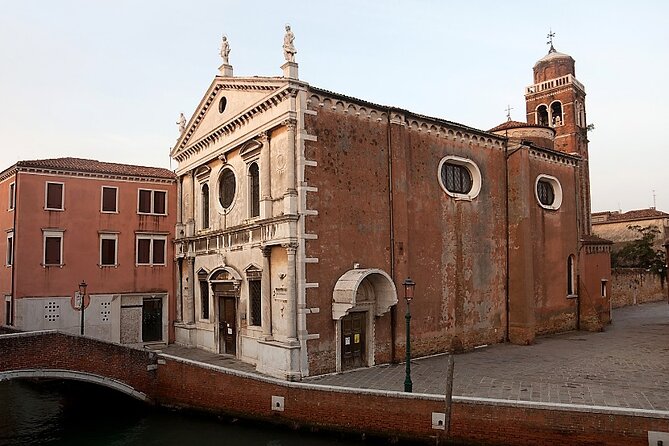
Stop 4: Ponte delle Tette
You walk near what was described as the red light district par excellence of 15th-century Venice. Here, authorities encouraged prostitutes to display themselves under the porticoes around the bridge, partly to prevent sodomy in town.
This stop is eye-opening because it shows how control can look like regulation, even when it means managing sexuality rather than eliminating it.
You also hear about the gnaghe, men dressed as women, covering their faces with cat masks and calling like cats in heat to make explicit proposals. You are seeing how coded signals worked in a place where being noticed could be dangerous.
If you are someone who likes cultural anthropology, this is the kind of stop that sticks with you. The city’s “theater” is real, and so are the stakes.
Rolandina Roncaglia and the cost of being visible
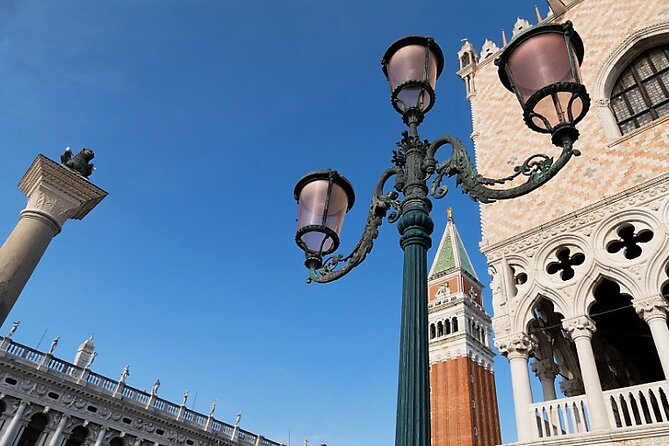
Not every stop offers playful curiosity. Some are stark, and the guide does not soften the point.
Stop 5: Chiesa di San Cassiano
You hear the story of Rolandina Roncaglia, described as the first trans person we know of in Italy. Born Rolandino, she lived as a woman for seven years in a house nearby. She sold eggs and worked around the local market, then became a prostitute. When she was discovered in 1355, the outcome was terrible.
I appreciate that this stop treats her as a person with daily life, not just a footnote. It is also a reminder that “hidden life” was not the same as “safe life.”
Opera house, Casanova, and the tension between art and control
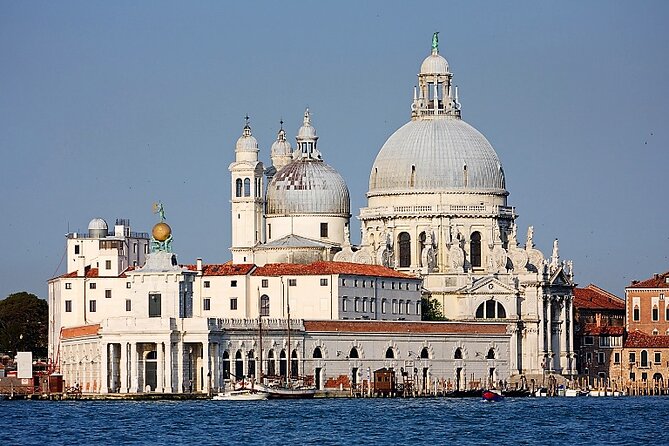
The next stop turns the page toward theater and famous names.
Stop 6: Campo San Cassiano
This area used to have a theater that claimed the title of the first public opera house in the world. Alongside that cultural milestone, you also hear how the place could connect to homosexual encounters, including a reference to Giacomo Casanova in the 18th century when he worked as a spy for state inquisitors.
That combination, art and policing in the same neighborhood, is exactly the kind of contradiction Venice loved. It helps you understand why stories of love and stories of punishment can share the same street.
Calle dell Ogio: a quiet scene of meeting and desire
After heavier material, this stop feels more personal.
Stop 7: Calle dell Ogio
You walk along a short bank by the Canal Grande where a writer and pioneer of the British gay movement met a 19-year-old porter. It is brief, but the effect is powerful. Venice was a meeting point not only for commerce, but for connection.
This is the kind of detail that makes the city feel more human. You start imagining what those conversations might have sounded like, beyond the official records and moral panic.
Rialto area: bans, death sentences, and a public stage
As you near Rialto, the tour turns toward spectacle. Venice enforced rules where people could see them.
Stop 8: Campo San Giacomo di Rialto
A famous statue in this campo was used as a podium for proclamations, including bans relating to sodomy. An officer read out the names of those sentenced to death standing on the block at the end of its staircase. Because it was close to the Rialto market, it was prime real estate for public communication.
It’s hard to picture when you’re standing in a modern city full of tourists, eating gelato in the sun. But the stop forces you to see the space as an instrument: the message was not just punishment, it was warning.
Stop 9: Ruga dei Oresi
Here, a suspicious pharmacy was reportedly used by sodomites for meetings. Even getting close could bring condemnation to death.
The lesson: “private” could be lethal in practice. Venice had many ways to surveil, and it only takes one informer, one patrol, one rumor to turn a casual stop into a sentence.
Palazzo Ca’ Zenobio: Baroque interiors, research today, pop culture too
After you absorb the city as a fear machine, the tour gives you an important counterpoint.
Stop 10: Palazzo Ca’ Zenobio
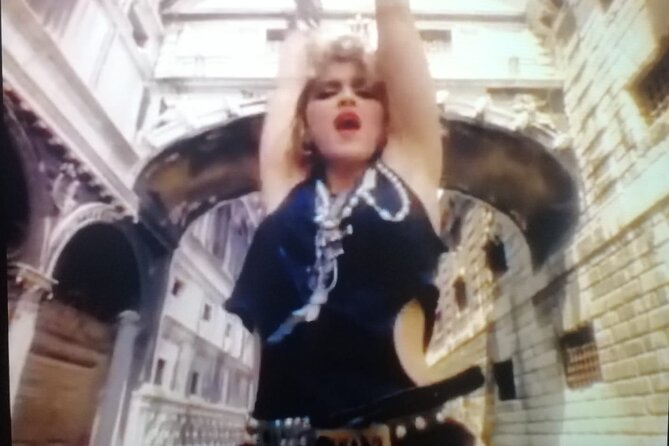
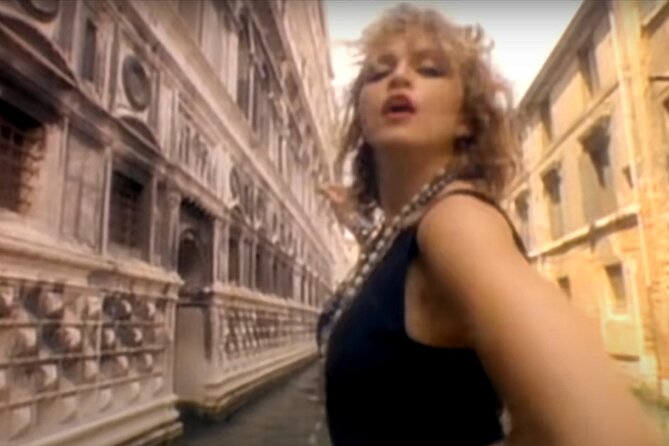
This late Baroque palace matters for two reasons. Architecturally, it is significant, and after a full restoration it now serves as a research centre for Armenian studies. On top of that, it was the main indoor location for Madonna’s Like a Virgin video in the 1980s.
Why I like this stop: it shows how visibility can change meaning over time. A place that once could hold private tensions now holds mainstream art production. Venice adapts, and so does the story we tell through its walls.
San Sebastiano and why art becomes a symbol
The next stop links religion, art, and LGBTQ symbolism.
Stop 11: Chiesa di San Sebastiano
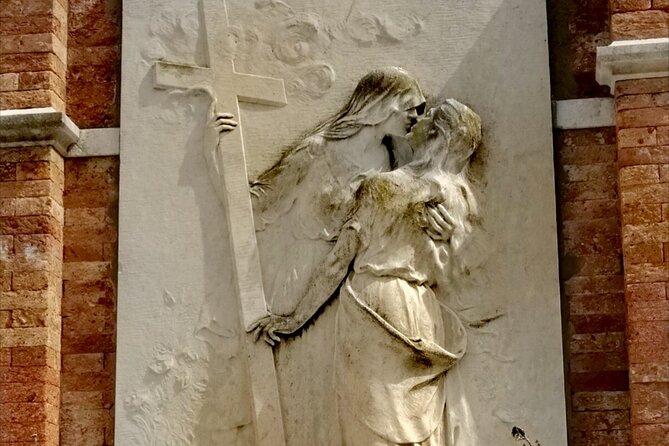
You see how San Sebastiano is one of Venice’s leading art venues thanks to a cycle of paintings by Paolo Veronese. Veronese is also buried here. The tour explains why San Sebastiano is considered the patron saint of the LGBT community worldwide.
I enjoy this part because it gives you a way to hold two thoughts at once. Venice’s religious spaces could be used for surveillance and control in the past, yet symbols later get reclaimed. The building becomes a conversation, not a single verdict.
Cheba at San Marco: the iron cage and the crowd below
Now the tour heads into the San Marco zone, where power was concentrated.
Stop 12: Campanile di San Marco
Outside the tallest bell tower in Venice, you learn about an iron cage called cheba, dating back to the 15th century, used again in the 16th century. It was used to expose sodomite priests to bad weather and the taunts of the crowd.
This is the stop where the word “horrific” finally feels literal. You are standing near a place designed for people to look up, notice the tower, watch the space. The punishment was also theater.
Piazzetta San Marco: executions between the columns
Just a bit further, the story hits a peak of public punishment.
Stop 13: Piazzetta San Marco
Between two columns in this piazzetta, executions took place up to the middle of the 17th century, and Casanova is mentioned as confirming this.
If you’ve ever felt overwhelmed by Venice’s beauty, this is a grounding moment. It reminds you that beauty does not cancel cruelty. It can exist right beside it.
Harry’s Bar: the post-script, rumor, and a safer kind of community
After centuries of fear, the tour shifts to nightlife history.
Stop 14: Harry’s Bar
You check out Harry’s Bar, where gay travelers gathered up to the 1970s. The founder’s claim that it was just rumor is part of the story.
I like how the guide handles this. Instead of insisting on one version, you get the sense of how places become magnets. Even when the official story is fuzzy, the lived experience can be real enough to shape reputations.
Riva degli Schiavoni and staged romance
Next, you move through palatial spaces tied to literary and romantic legend.
Stop 15: Riva degli Schiavoni
You visit a palace where a love story was staged between a Venetian rower and a famous German writer.
This stop is short, but it gives you a sense of Venice as a place where relationships, storytelling, and social spectacle blended. Even love, in some periods, had to be performed through elite culture.
Calle del Dose da Ponte: a lesbian US painter and recorded affairs
Then the tour pivots toward modern cultural memory.
Stop 16: Calle del Dose da Ponte
You learn about a hotel where a famous lesbian US painter used to live, and the story includes her collecting love affairs with men and women.
Because names are not given in the tour notes you provided, keep your focus on the main point: Venice attracted artists, and some of them lived with complicated sexuality. That complexity did not erase ambition or craft.
Palazzo Ca’ Dario and a pattern of trouble
This stop is more atmospheric than specific, but it still fits the theme.
Stop 17: Palazzo Ca’ Dario
The palace is known for a series of unfortunate events connected to some owners, with the note that many of them were gay.
You might find this less concrete than the other stops. Still, it works as a reminder that LGBTQ people were not insulated from misfortune, legal pressure, or scandal.
Palazzo Mocenigo and bisexuality in a complex life
Another literary connection closes in.
Stop 18: Palazzo Mocenigo
You hear about a famous British poet connected to the palace, with the tour describing a bisexual component within a complex sentimental and sexual life.
Again, the point is less about a single label and more about the fact that Venice housed people whose identities did not fit neat categories.
San Martino di Castello: a law written into a porch
The tour ends with one last place where enforcement lingers in records.
Stop 19: Chiesa Parrocchiale di San Martino di Castello
In ancient times, the church had a no longer existing porch listed in a 1450 law among places of the night for sodomites cruising.
Ending here makes sense. It ties the story back to written documentation. Even when buildings disappear, the idea of where people met can survive on paper.
Price, duration, and how to judge value for a small-group tour
At $92.63 per person for about two hours, this is not a budget sightseeing add-on. The value comes from the format.
You are paying for:
- A small group, typically around eight travelers
- Guided storytelling in English
- A tour structure that moves you through multiple sites instead of one museum stop
- A guide who can connect dozens of details into a coherent route
In a city where most tours charge similarly but cover only a couple of major attractions, this route focuses on Venice’s less obvious LGBTQ traces. It’s also priced in a way that fits a mid-range travel budget if you care about cultural context, not just photos.
One more thing: the tour is often booked ahead, with an average of 25 days in advance. If your dates are fixed, I’d treat that as a sign to reserve early.
Practical tips so you get the most out of it
Venice is compact, but it is also full of steps and uneven surfaces. Wear shoes that handle cobblestones without complaint.
This is a walking route with many short stops, so the best approach is to relax into the pace. Give the guide room to explain, then let the building and street do the rest of the work.
Two practical notes from the tour details:
- You get a mobile ticket.
- On certain dates, day visitors staying outside Venice may need to pay a €5 access fee. Check the official Venice page linked in the tour info to confirm whether your date applies.
If you’re booking this for someone in your group, it helps to mention that the tour covers punishments and state surveillance. It is honest history, not a romance-only walkthrough.
Should you book Gay Life in Venice, from the Middle Ages to Present Days?
I think you should book if you want Venice with context and courage. This is for people who like walking through real places where love, art, and persecution all left fingerprints. The small group size, plus Valerio Coppo’s storytelling style, makes it easier to follow a route that moves across centuries without turning into a lecture.
Skip it only if you are looking for a light nightlife tour with mostly feel-good stories. You will get community and culture too, like Madonna’s Like a Virgin video location at Palazzo Ca’ Zenobio and the Harry’s Bar stop. But you will also face the violence behind anti-LGBT laws, and the route does not shy away from that.
If you want a Venice tour that feels personal, thoughtful, and rooted in specific streets and buildings, this one is a strong match.
FAQ
How far in advance should I book this tour?
The tour is commonly booked about 25 days in advance on average, so booking sooner rather than later is a good idea.
How long does the tour last?
The experience lasts about 2 hours.
Where does the tour start and where does it end?
It starts at Campo San Giacomo dell’Orio and ends at Ponte di Rialto. The meeting point is listed at Campo S. Giacomo dell’Orio, 30135 Venezia, and the end is listed near Ponte di Rialto, 30125 Venice. The meeting area is near public transportation, and service animals are allowed.
How many people are in the group?
The tour is capped at eight travelers for an intimate experience, and it has a maximum of 10 travelers per tour.
Is the tour offered in English?
Yes, it is offered in English.
What is included in the price?
The price includes a tour leader and nature and interpretive guide, and the stops listed show admission ticket free.
Do I need admission tickets for the stops?
The stop details provided list admission ticket free for each location on the itinerary.
Is there any extra access fee for day visitors?
On certain dates, day visitors staying outside Venice may be required to pay a €5 access fee. The tour info points to the official Venice link for details and exemptions.
Can I cancel for a full refund?
Yes. You can cancel up to 24 hours in advance for a full refund. If you cancel less than 24 hours before the start time, the amount paid is not refunded.
Recently reviewed around Venice
- Skip the Line St. Mark’s Basilica Tour★ 3.5 · 5 reviews
- Shared Departure Transfer: Venice Hotels to Venice Train or Bus Station★ 3.5 · 73 reviews
- One-Day Venice: Skip-the-Line St. Mark’s Basilica, Walk & Gondola★ 4.0 · 20 reviews
- Another Side of the City: Discovering Authentic Venice★ 5.0 · 57 reviews
- Self Guided Tours Venice With 100 Captivating Audio Stories★ 5.0 · 3 reviews
- Secret Venice, an unusual walk – Private Walking Tour★ 5.0 · 61 reviews
- The Secret Venice + Cicheti & Wine Private Tour★ 5.0 · 21 reviews
- Venice Walking Tour with Audioguide on Your Smartphone★ 4.0 · 19 reviews