
Reviewed · MURANO GLASS EXPERIENCES
Murano: In Depth Glass Factory Guided Tour
The most interesting part of this Murano tour is that you see glassmaking as a working process, not a performance. I like that you get a hands-on view of each workshop area and that the group stays small (up to 8) so you can actually see what’s happening. One possible drawback is that the tour is English only, so plan accordingly if that’s a problem for you.
What I really enjoy about the format is the flow from raw materials to the final shine. You’ll move through the batch room, then the hot 1400°C furnace world of the hotshop, and finally the coldshop where the glass gets shaped and polished. The tour also has a practical, no-pressure feel, since it is focused on the production, not on sending you straight into a shop.
For logistics, arrive a little early because you check in at a gallery meeting point and then you’re led to the factory afterward. Also, this isn’t a great fit for everyone, since it’s not suitable for wheelchair users or people with epilepsy, and it’s not designed for guests with a cold.
Key Things That Make This Murano Glass Tour Worth Your Time
- You see the full production arc, from batch mixing to furnace melting to coldshop finishing
- Small group size (max 8) means you can stand close and follow the guide’s explanations
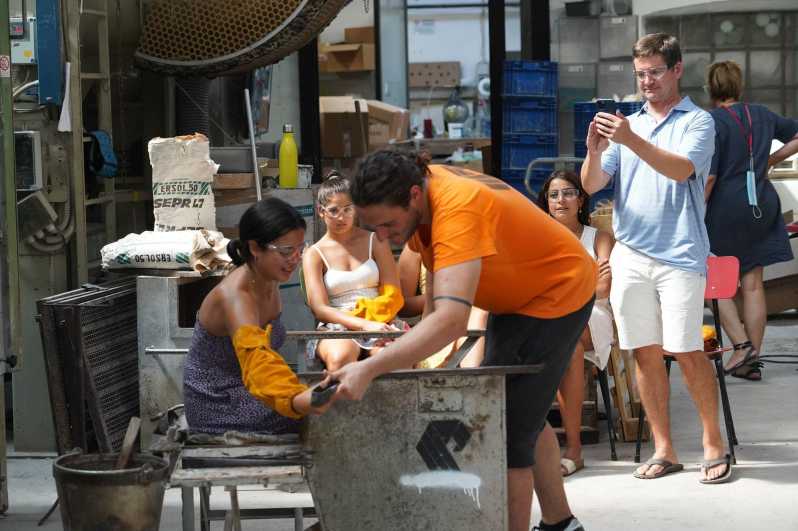
- Live shaping by master glass makers, with the action happening right in front of you
- Step-by-step factory walkthrough, broken into the batch room, hotshop, and coldshop
- Safety glasses are included, so you can focus on watching without extra hassle
- No obligation to buy, since the whole point is the factory and process
Why This Tour Feels Like the Real Murano Craft, Not a Store Stop
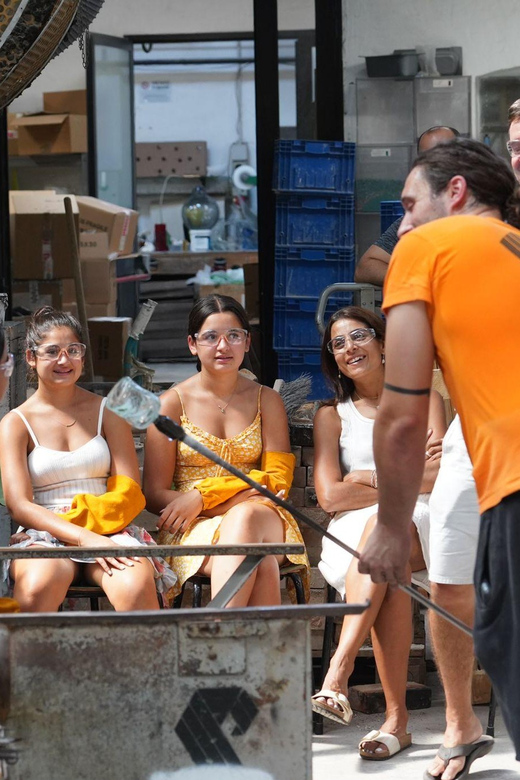
Murano has plenty of glass shops. Many are lovely. But they can also feel like a highlight reel. This tour is different because it is built around how glass is actually made, and it takes place inside the working areas you’d usually only glimpse from the outside.
I like that the experience is organized around three clear stages you can picture even after the tour ends. In the batch room, you’re introduced to how the starting mix is prepared. In the hotshop, you see the melting and shaping side. In the coldshop, you see how hard, finished-feeling glass gets cut, drilled, flattened, and polished.
That structure matters because glassmaking can sound mysterious from afar. Once you see the stages in sequence, you start understanding what the craft looks like behind the scenes, and why artisans talk about timing, temperature, and tools. It turns your future Murano shopping into something smarter too, because you know what skills you’re paying for.
More Murano glass-blowing experiences:
- Venice: Burano, Torcello & Murano Boat Tour w/Glassblowing
★ 4.4 · 10,245 reviews - Venice: Murano and Burano Boat Tour with Glass Factory Visit
★ 4.2 · 9,527 reviews - Venice: Murano & Burano Panoramic Boat Tour w/ Glassblowing
★ 4.4 · 6,212 reviews
Getting There From Venice: Plan for Time, Not Just Distance
You’re doing a Murano factory tour, so transit is part of the deal. The info you should take seriously is the travel time from Venice, which can take up to about 50 minutes depending on where you start.
Here’s how I think about it: don’t build your day on perfect timing. Build it with a buffer, because you’ll want to get to the check-in point without rushing. The tour asks you to arrive 5 minutes before it starts, and that early arrival is not just a formality. It’s what gives you time to check in and get ready.
Another useful detail: the meeting point is not inside the factory. You check in at a gallery, then you are led to the workshop space afterward. So when you map it, treat the gallery as the true start point of the experience, then expect a short walk or handoff to the factory area.
If you’re traveling with kids, this kind of structure helps too. A 50-minute tour is long enough to see something real, but short enough that a distracted child can still make it through without melting down, especially when the action is visual and constant.
Entering the Batch Room: Where Raw Materials Become Future Glass
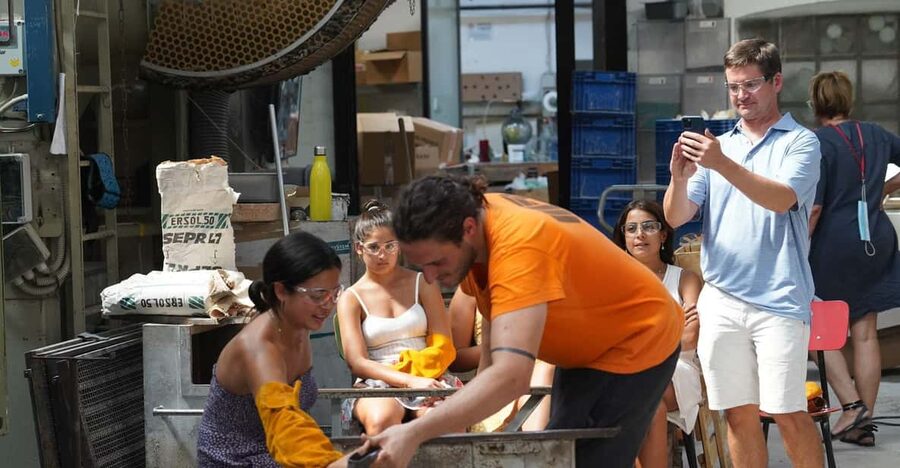
The first stop is the batch room, and it’s the best place to start if you’ve ever wondered where glass actually begins. This is where sand and other chemicals are mixed to create what will melt into glass once it’s charged into the furnace.
What I like about starting here is that it instantly grounds the story. Instead of treating glassmaking like magic, you get a cause-and-effect view. The guide explains how the mix is prepared so it becomes workable glass after heating.
Even if you don’t remember every term, you’ll catch the big idea: glass starts as a carefully made mixture, not as a mysterious blob. That helps you appreciate the skill level of the workshop. Mistakes aren’t just cosmetic. If the mix is wrong, the next steps become harder or don’t come out the same.
One practical note for how this part feels in real time: the batch room sets a slower pace. It’s more about explanation and process than the dramatic moment of the molten glass being shaped. If you’re eager to see blowing instantly, this first segment can feel like setup. But it’s worth it, because once you understand the input, the hotshop makes more sense.
The Hotshop and the 1400°C Furnace: Watching Glass Masters Work Live
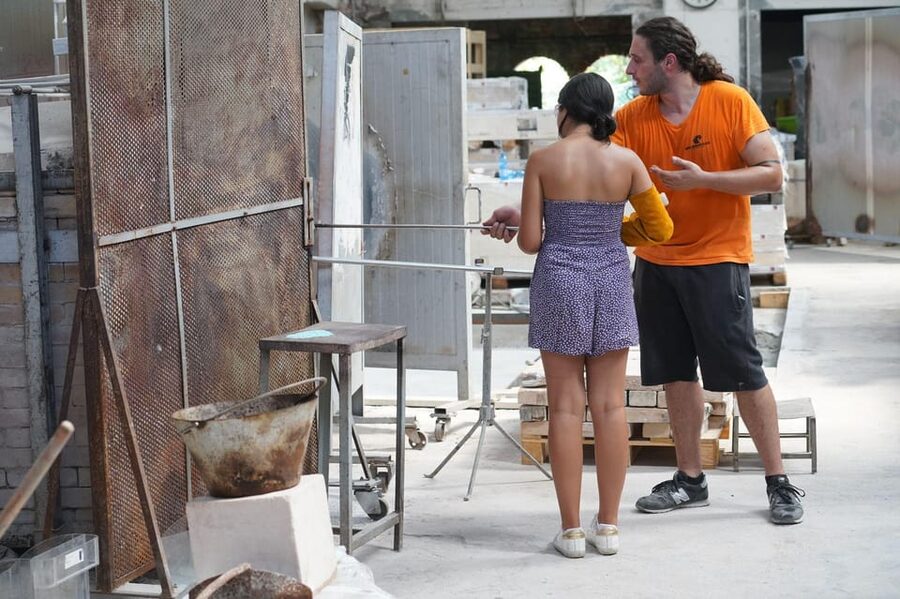
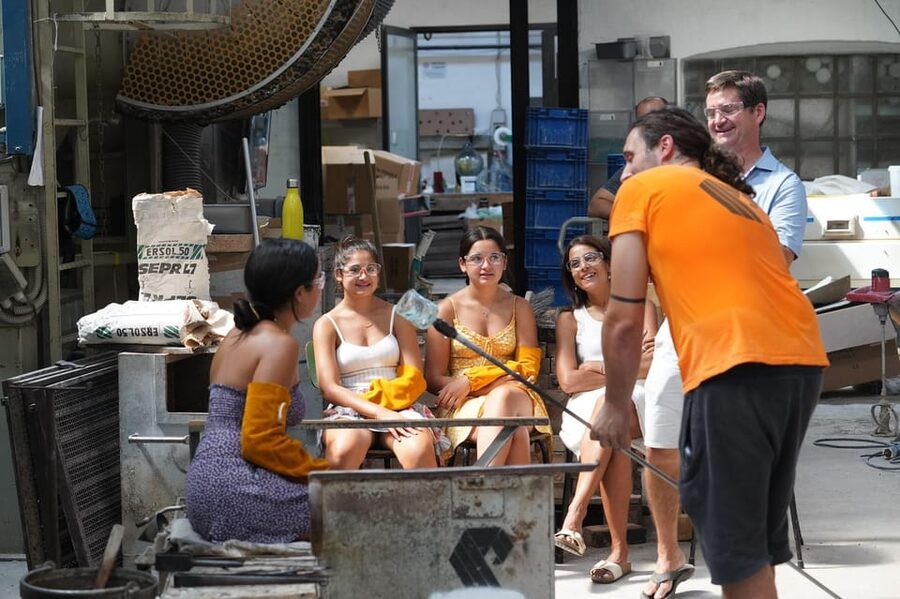
Then comes the hotshop, the stage where the tour earns its reputation. This is where you watch the glass melting process and learn how furnaces work, including an overview of the tools used.
A key fact you should carry with you is the temperature, since the batch gets charged into a 1400°C furnace. That single number helps explain why glassmaking is a craft of timing. At these temperatures, the material behaves differently. It’s workable, fast-moving, and sensitive to how it’s handled.
The live shaping is the highlight people talk about, because you can stand close enough to see how the molten glass is transformed. The tour is designed so you’re not stuck across the room. You get that front-row feeling, near the master glass makers, so you can watch the actions without guessing.
If you like explanations that connect the dots, this is also where the guide’s step-by-step approach shines. The tour breaks things into areas, so you’re not just hearing a long lecture. You learn the furnace basics, then you see the result. You learn the tools, then you see why those tools exist.
Possible drawback to consider here: because it’s a factory environment and the process is active, the tour has restrictions. For example, it is not suitable for people with epilepsy. Also, it is listed as not suitable for people with a cold. If either applies, it’s smart to choose a different activity in Murano that matches your situation.
More island trips to Murano, Burano and Torcello:
- Boat Trip: Glimpse of Murano, Torcello & Burano Islands
★ 4.3 · 15,699 reviews - Murano, Burano and Torcello Half-Day Sightseeing Tour
★ 3.5 · 7,928 reviews - Murano & Burano Islands Guided Small-Group Tour by Private Boat
★ 4.5 · 7,580 reviews - Venice: Murano, Burano, Torcello, and Glass Factory Tour
★ 4.4 · 5,563 reviews
Coldshop Machines: How Finished Pieces Get Cut, Drilled, and Polished
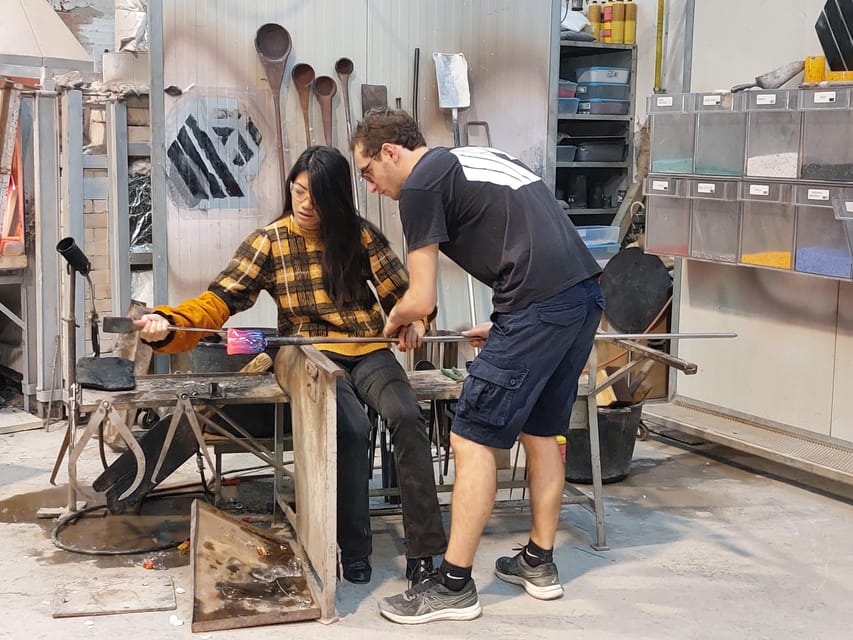
After the heat, you move to the coldshop, where the glass starts to look like a finished object in a new way. This is where you’ll see machines used to carve, drill, cut, flatten, and polish glass.
I like this part because it shows a side of glassmaking that many people miss. In photos, glasswork is usually all about the glowing molten stage. But the craft you see at home, the clean edges and refined surfaces, comes from finishing work too.
The coldshop explains the transition from shape to detail. Even when you understand how glass is blown or formed, you still need finishing to get the final clarity, smoothness, and precision. Seeing the machines in action helps you understand that the workshop is both artistic and engineered.
In terms of your experience, the coldshop can feel a little more technical. You’ll likely get explanations about the equipment and the steps used to refine the piece. If you enjoy watching tools do exact work, you’ll probably like this stop a lot.
And it helps you spot something important for your future purchases. When you see a Murano item that looks flawless, it’s not only about the blowing. There’s a lot of grinding, cutting, drilling, flattening, and polishing work behind that final look.
Standing Close, Asking Questions: What the Small Group Gets You
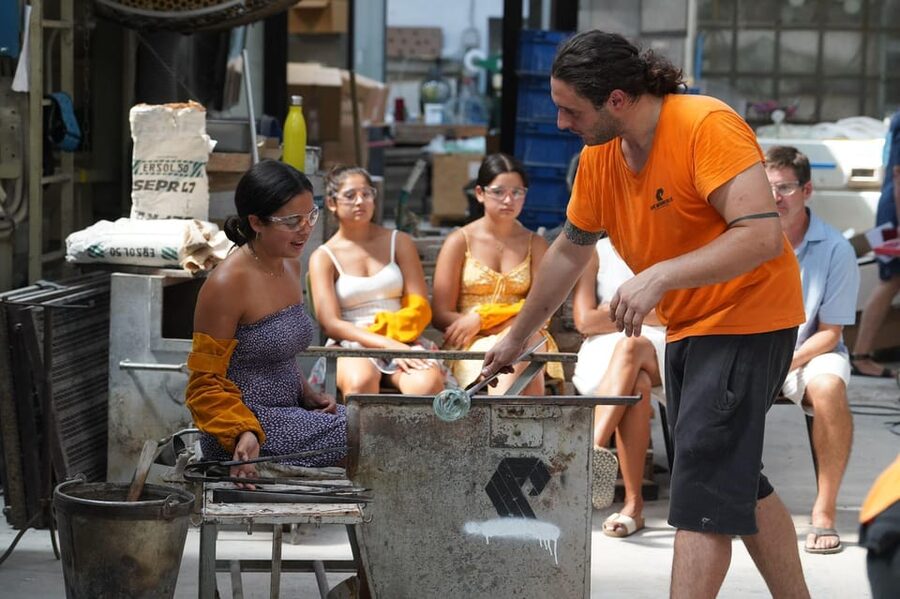
This tour caps at 8 participants, and that small-group rule is more than a marketing bullet. It changes how much you actually see. When you’re not shoulder to shoulder with a large crowd, you can follow the guide’s movements and watch what the makers are doing.
Another highly praised element from people who did this tour is the quality of the English explanation. The guide walks you step by step through each factory area, and questions are handled as part of the experience. One thing you should expect is that the guide doesn’t just rattle off a script. The tour is built around understanding what you’re seeing.
Also, there’s a safety side that feels thoughtful. Safety glasses are provided for all participants. That means you’re protected without needing to bring anything special, as long as you follow the footwear rules.
What You’ll Pay for 50 Minutes, and Why It’s Often Good Value
At $34 per person for a 50-minute guided tour, the value comes from three things you get in one package: (1) access to a working factory space, (2) guided explanations through multiple production areas, and (3) being close enough to watch real shaping work.
If you’ve spent time in Venice trying to compare experiences, you know the trap is spending time walking through places that are basically showrooms. Here, a big chunk of your money goes to the factory process itself. Even if you only care about the final beauty of Murano glass, you’re paying for the production context that makes that beauty more meaningful.
Is it cheap? No. But for a short, focused factory experience with a small group and real access, it’s priced in a way that often makes sense.
If you’re traveling on a tight schedule, the 50 minutes also helps. You can tuck this into a Murano day without committing to a long workshop. And if you’re the kind of person who likes to see everything possible in a day, this format is easier to fit than half-day classes.
The Details That Matter: What to Wear and What to Avoid
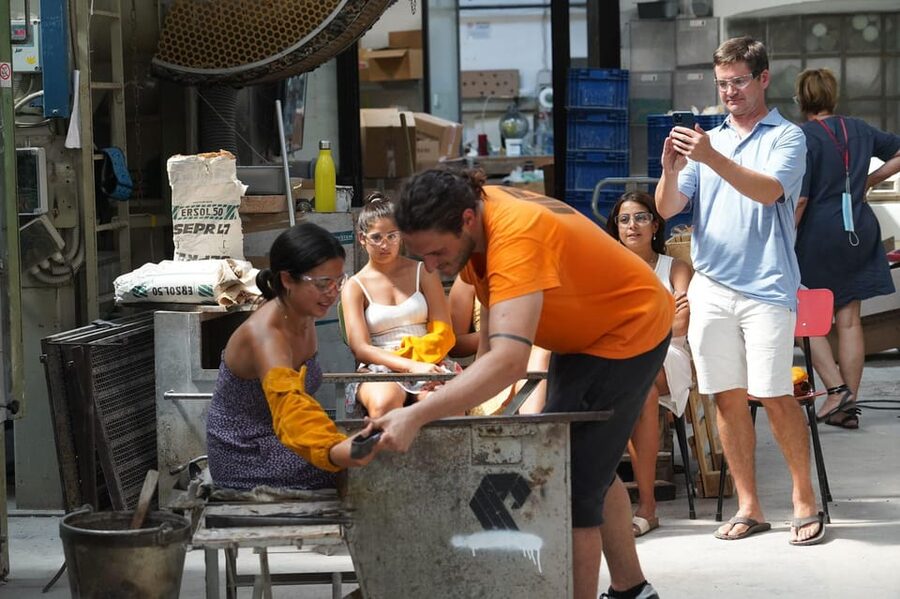
This is practical, factory-style sightseeing. You should plan to wear comfortable shoes with closed toes. Sandals and flip-flops are not allowed.
That matters for two reasons. First, you’ll be moving in a workshop-like setting. Second, the tour is not designed for comfort footwear that can slip or leave your feet exposed.
If you have any health concerns, take the “not suitable for” notes seriously. The tour is not suitable for people with mobility impairments, wheelchair users, epilepsy, or people with a cold. If any of those apply, it’s better to select a different Murano experience that is less physically and visually intense.
Alcohol and drugs are also not allowed, which keeps the environment safe and focused.
Best Fit: Who Should Book This Murano Glass Factory Tour
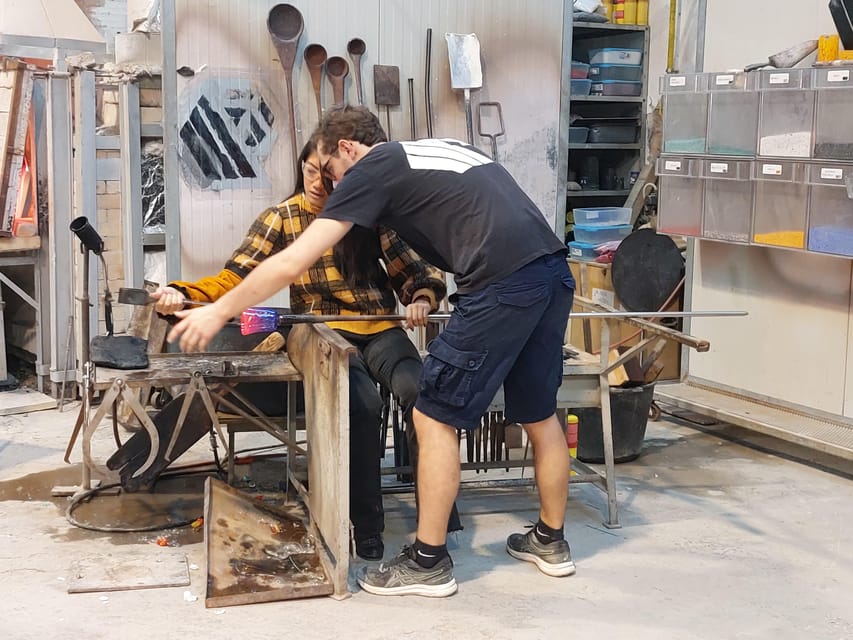
I think this tour is a strong match if you fall into any of these groups:
- You want authentic process, not just browsing glass displays
- You like seeing how things are made, especially when it’s broken into clear steps
- You want a small-group experience where you can stand closer and ask questions
- You’re traveling with kids who enjoy watching hands-on craft and tools at work
It’s also a good choice if you’re only in Murano briefly. The duration is short, and the content covers three key workshop areas in one pass.
If you’re someone who gets overwhelmed in active environments or needs accommodations due to mobility or medical considerations, then this probably isn’t the right fit based on the listed restrictions.
Pairing It With Your Murano Day: Turn What You See Into Better Choices
One of the quiet benefits of a factory tour is how it changes your Murano wandering after. When you’ve seen batch mixing, furnace melting, and coldshop finishing, you start noticing quality cues faster.
For example, you’ll likely pay more attention to the precision of shapes, the finish quality, and the overall consistency across pieces. That doesn’t mean you need to become an expert. It means your eye has context now.
A smart way to plan your day is to treat this tour as your anchor activity. Then you can explore Murano around it, using what you learned to guide what you stop for. If you later decide you want something more hands-on, some people add a separate, shorter making experience at the same kind of operation. But the tour itself already gives you the full behind-the-scenes view without requiring you to buy.
Should You Book This Murano Glass Factory Tour?
If your goal is to see how Murano glass is made in a real workshop, not just admire finished pieces, then yes, I think you should book it. The big wins are the small group size, the step-by-step walkthrough across batch room, hotshop, and coldshop, and the chance to stand close to master glass makers while they shape glass.
Before you go, do two reality checks. First, confirm the tour runs on your travel days since it is not offered on Saturdays and Sundays currently. Second, make sure you meet the basic suitability rules, especially around mobility and medical considerations.
If those boxes work for you, this is one of the more direct ways to understand Murano glass without getting pulled into a pure sales loop.
Recently reviewed around Venice
- Skip the Line St. Mark’s Basilica Tour★ 3.5 · 5 reviews
- Shared Departure Transfer: Venice Hotels to Venice Train or Bus Station★ 3.5 · 73 reviews
- One-Day Venice: Skip-the-Line St. Mark’s Basilica, Walk & Gondola★ 4.0 · 20 reviews
- Another Side of the City: Discovering Authentic Venice★ 5.0 · 57 reviews
- Self Guided Tours Venice With 100 Captivating Audio Stories★ 5.0 · 3 reviews
- Secret Venice, an unusual walk – Private Walking Tour★ 5.0 · 61 reviews
- The Secret Venice + Cicheti & Wine Private Tour★ 5.0 · 21 reviews
- Venice Walking Tour with Audioguide on Your Smartphone★ 4.0 · 19 reviews
Murano Glass Experiences, compared.

Burano, Torcello & Murano Boat Tour w/Glassblowing
Read our review →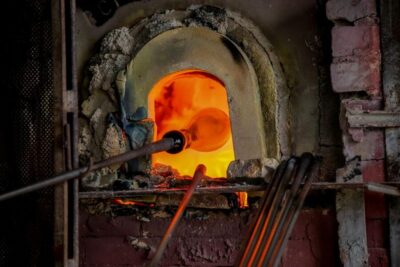
Murano and Burano Boat Tour with Glass Factory Visit
Read our review →
Murano & Burano Panoramic Boat Tour w/ Glassblowing
Read our review →
Murano, Burano, Torcello, and Glass Factory Tour
Read our review →
Venice Islands: Murano Glass & Burano Colors Guided Visit
Read our review →
Glass Factory Experience with Tour and Demonstration
Read our review →
Murano Glass Experience With a Visit to a Burano Lace Island
Read our review →
Private tour on Murano Island: discover the art of Artisanal Glassblowing
Read our review →Browse the lists this tour appears in